Ireland
 UK
UK Scotland
 London


EHS International
Address
Cleve Quarter
Monahan Road
Monahan Road
The Docklands
County Cork
T12 X599
Ireland
About EHS International
The New Chris Mee Operations team specialises in the expert delivery of Environmental Health and Safety (EHS) Services to our rapidly expanding list of clients nationally and Internationally: This division provides all the usual EHS services in addition to Technology and Projects services.
Environmental Health and Safety (EHS) Services
Through our five founding companies, our four partner companies and our in-house resources, Chris Mee – EHS International delivers a full suite of EHS Services to our growing list of satisfied clients.
These services cover Safety Training (IOSH, Safepass, etc), Health and Safety Consultancy, Fire and Rescue Services, Food Safety Services, EHS Technology, Safety Engineering Projects, Occupational Health Services, Recruitment and many more being added each month.
EHS International Training
EHS International, is the fastest growing Single-source EHS services provider in Ireland and Internationally. [EHS = environmental, health, and safety]. Our comprehensive EHS training courses are accessible nationwide through our offices in Dublin, Cork, and Belfast. We offer flexible EHS training solutions, both online and in-person, for public and private courses. Contact us by phone on 021 206 6006 or email us on [email protected] for more information. See contact details for our various offices at the footer on this page. All our courses are to the highest quality. The HSA is the enforcement agency in Ireland.
At EHS International, we are recognized nationally for our high-quality Health & Safety Training Courses throughout Ireland. Our extensive range of accredited classroom courses and virtual offerings meet the needs of clients both large and small. We ensure compliance with regulatory standards and promote workplace safety.
Chris Mee Recruitment Services
Welcome to Chris Mee Recruitment Services. We are a leading provider of Recruitment services in Ireland and Internationally. We set up enduring and long-lasting partnerships with both candidates and clients. If you are a candidate looking for a new career and improved job contact us today. If you are an employer looking for top quality candidates to select from please contact us.
At Chris Mee EHS International, we deliver exceptional employment services to clients and candidates in the core areas of safety, health, and environmental employment. Our newly expanded recruitment team brings over 20 years of business experience across multiple industries throughout Ireland, the UK, and Europe.
Chris Mee EHS International Consultancy Services
Chris Mee EHS International Consultancy Services has been a leading provider of EHS and safety consultancy services across most sectors in Ireland for the last 25 years and more. EHS International Consultancy Services provides an even wider range of health and safety services to clients in Ireland and Internationally. EHS International Consultancy Services has offices in Dublin, Cork, Belfast, Limerick, and more. Our services range from Occupational Safety, Process Safety, Construction and Project Safety, Chemical, Occupational Health, Ergonomics, Legionella, and many more sectors. We also assist companies in setting up accredited safety management systems such as ISO45001 and many more.
Fire Training, Services and Products
EHS International and Chris Mee have been leading providers of ERT and Fire Safety Training in Ireland for well over 20 years. The fire division is led by Paul O’Regan, formerly training manager of the Cork City Fire services training section.
EHS International.
5
out of 5
based on 3 ratings.
Reviews & Testimonials for EHS International

“I’m delighted to provide a testimonial for Chris Mee and his team…. I highly recommend Chris Mee and his team for top-quality training services…I look forward to working with them again in my new venture”
January 01, 2024
Testimonial by
Flor Crowley, SHEQ Manager , Glennon Brothers
Testimonial by
Flor Crowley, SHEQ Manager , Glennon Brothers
“In the field of EHS professional consultancy and training he (Chris) brings a high level of professionalism combined with a commitment to quality and customer service. Chris consistently demonstrates excellence & integrity”
January 01, 2024
Testimonial by
Noel Lacey, Head of Group Safety , An Post
Testimonial by
Noel Lacey, Head of Group Safety , An Post
“…I can trust Chris Mee to deliver what I need.”
January 01, 2024
Testimonial by
Dan Hart, Senior Talent Management Specialist , RDC Charleville
Testimonial by
Dan Hart, Senior Talent Management Specialist , RDC Charleville
Gallery





News
As we move through Q2, a clear pattern continues to emerge across internal and external audits: organisations are not failing because they lack documentation.
They are failing because their documentation is not current, complete, or connected to real-world operations.
Across Irish and EU-aligned safety management systems, audits are designed to test one fundamental question:
Does your documentation accurately reflect how safety is actually managed on the ground?
Too often, the answer is no.
Drawing on recent audit activity, and aligned with expectations from the Health and Safety Authority and EU safety frameworks, here are the most common documentation gaps identified in Q2 audits and, more importantly, what good looks like in practice.
Safety Statements That Exist… But Don’t Operate
One of the most frequent findings is Safety Statements that are:
Generic or outdated
Not site-specific
Not used by teams on the ground
The gap: Documentation exists for compliance, but not for operation.
What good looks like:
A live Safety Statement that is:
Reviewed regularly
Clearly linked to current activities
Understood and referenced by supervisors and teams
When was your Safety Statement last reviewed against actual site activity?
Could a supervisor explain how it applies to today’s work?
Risk Assessments Not Reflecting Current Risk
Risk assessments are often in place, but:
Not updated after changes in process, equipment, or staffing
Too generic to reflect real tasks
Listing controls that are not actually in place
The gap: Risk evolves, documentation doesn’t.
What good looks like:
Task-specific, site-specific assessments
Reviewed after any operational change
Controls visible and implemented on site
When did you last update a risk assessment following a change on site?
Do your controls exist in practice, or just on paper?
Missing or Incomplete Training Records
Audits regularly highlight:
Expired certifications
Training delivered but not recorded
No central visibility of competency
The gap: Competence is assumed, not evidenced.
What good looks like:
Centralised, up-to-date training records
Clear visibility of expiry dates
Ability to produce records immediately during an audit
Could you produce all training records within 10 minutes if requested?
Do you have a system to flag upcoming expiries?
Weak Incident and Near-Miss Documentation
Common issues include:
Incomplete incident reports
No structured near-miss reporting
No evidence of follow-up or learning
The gap: Incidents are recorded, but not used.
What good looks like:
Consistent reporting of incidents and near misses
Documented investigations
Clear corrective actions and shared learnings
When was your last near miss reported and closed out?
Can you show what changed as a result?
Poor Audit Trails and Corrective Action Tracking
A recurring issue is not identifying problems, but failing to close them:
Actions raised but not tracked
No clear ownership
No documented close-out
The gap: The loop is never fully closed.
What good looks like:
Central tracking of all actions
Assigned responsibility
Clear evidence of completion and verification
Do you have any open actions from previous audits?
Who is responsible for closing them, and is it documented?
Emergency Plans That Are Not Evidenced
Emergency procedures are often well written, but:
No record of drills
Roles assigned but not trained
Equipment checks not documented
The gap: Preparedness is assumed, not demonstrated.
What good looks like:
Regular, documented drills
Trained and assigned roles
Recorded checks of emergency equipment
When was your last evacuation drill?
Could you evidence it?
Disconnect Between Documentation and Behaviour
Perhaps the most consistent finding:
Procedures not followed consistently
Variation across sites or teams
Documentation reflecting ideal conditions, not reality
The gap: Compliance on paper, inconsistency in practice.
What good looks like:
Alignment between procedures and behaviours
Consistency across teams and locations
Supervisors reinforcing standards daily
Are your procedures followed the same way across all teams?
What would an unannounced audit actually see?
What This Means for Organisations
The consistent theme across Q2 audits is simple:
Documentation is no longer judged on presence.
It is judged on accura
They are failing because their documentation is not current, complete, or connected to real-world operations.
Across Irish and EU-aligned safety management systems, audits are designed to test one fundamental question:
Does your documentation accurately reflect how safety is actually managed on the ground?
Too often, the answer is no.
Drawing on recent audit activity, and aligned with expectations from the Health and Safety Authority and EU safety frameworks, here are the most common documentation gaps identified in Q2 audits and, more importantly, what good looks like in practice.
Safety Statements That Exist… But Don’t Operate
One of the most frequent findings is Safety Statements that are:
Generic or outdated
Not site-specific
Not used by teams on the ground
The gap: Documentation exists for compliance, but not for operation.
What good looks like:
A live Safety Statement that is:
Reviewed regularly
Clearly linked to current activities
Understood and referenced by supervisors and teams
When was your Safety Statement last reviewed against actual site activity?
Could a supervisor explain how it applies to today’s work?
Risk Assessments Not Reflecting Current Risk
Risk assessments are often in place, but:
Not updated after changes in process, equipment, or staffing
Too generic to reflect real tasks
Listing controls that are not actually in place
The gap: Risk evolves, documentation doesn’t.
What good looks like:
Task-specific, site-specific assessments
Reviewed after any operational change
Controls visible and implemented on site
When did you last update a risk assessment following a change on site?
Do your controls exist in practice, or just on paper?
Missing or Incomplete Training Records
Audits regularly highlight:
Expired certifications
Training delivered but not recorded
No central visibility of competency
The gap: Competence is assumed, not evidenced.
What good looks like:
Centralised, up-to-date training records
Clear visibility of expiry dates
Ability to produce records immediately during an audit
Could you produce all training records within 10 minutes if requested?
Do you have a system to flag upcoming expiries?
Weak Incident and Near-Miss Documentation
Common issues include:
Incomplete incident reports
No structured near-miss reporting
No evidence of follow-up or learning
The gap: Incidents are recorded, but not used.
What good looks like:
Consistent reporting of incidents and near misses
Documented investigations
Clear corrective actions and shared learnings
When was your last near miss reported and closed out?
Can you show what changed as a result?
Poor Audit Trails and Corrective Action Tracking
A recurring issue is not identifying problems, but failing to close them:
Actions raised but not tracked
No clear ownership
No documented close-out
The gap: The loop is never fully closed.
What good looks like:
Central tracking of all actions
Assigned responsibility
Clear evidence of completion and verification
Do you have any open actions from previous audits?
Who is responsible for closing them, and is it documented?
Emergency Plans That Are Not Evidenced
Emergency procedures are often well written, but:
No record of drills
Roles assigned but not trained
Equipment checks not documented
The gap: Preparedness is assumed, not demonstrated.
What good looks like:
Regular, documented drills
Trained and assigned roles
Recorded checks of emergency equipment
When was your last evacuation drill?
Could you evidence it?
Disconnect Between Documentation and Behaviour
Perhaps the most consistent finding:
Procedures not followed consistently
Variation across sites or teams
Documentation reflecting ideal conditions, not reality
The gap: Compliance on paper, inconsistency in practice.
What good looks like:
Alignment between procedures and behaviours
Consistency across teams and locations
Supervisors reinforcing standards daily
Are your procedures followed the same way across all teams?
What would an unannounced audit actually see?
What This Means for Organisations
The consistent theme across Q2 audits is simple:
Documentation is no longer judged on presence.
It is judged on accura
What Is Asbestos and Why It Remains a Modern Workplace Hazard
In this article by Isabel Limrick, she discusses What Is Asbestos and Why It Remains a Modern Workplace Hazard .
Most organisations do not believe they have an asbestos risk.
Not because it is not there, but because it is not visible in day-to-day operations.
And that is exactly what makes it dangerous.
What Is Asbestos?
Asbestos is a naturally occurring mineral that was widely used in construction due to its strength, durability, resistance to heat, low cost and plentiful supply.
Although its use is now banned or heavily restricted, asbestos remains present in many buildings still in use today, particularly those constructed or refurbished before the early 2000s.
It can typically be found in:
Insulation and pipe lagging
Ceiling voids and service ducts
Floor tiles and adhesives
Roofing materials and wall panels
In many cases, it is hidden within the structure of a building, out of sight and therefore out of mind.
Why Asbestos Is Still a Risk
Asbestos is not inherently dangerous when left undisturbed and in good condition.
The risk arises when materials are interfered with.
Routine activities such as maintenance, drilling, demolition, refurbishment, or installation works can release microscopic fibres into the air. These fibres are invisible, odourless, and once inhaled, can remain in the lungs for decades.
Over time, exposure can lead to serious illnesses, including:
Asbestosis
Lung cancer
Mesothelioma
One of the most challenging aspects of asbestos risk is the delay between exposure and illness. Symptoms may not appear for 20 to 40 years.
This often leads to a false sense of security in the present.
For a practical overview of how asbestos risks arise and how they should be managed, the Health and Safety Authority provides clear guidance in its asbestos information hub.
Where the Risk Is Often Missed
There is a common assumption that asbestos risk is primarily associated with large construction or demolition projects.
In reality, it is far more likely to arise during routine work.
A contractor accessing a ceiling void
A maintenance team carrying out minor repairs
Installation of new services or equipment
Reactive works under time pressure
These activities are rarely viewed as high risk, which is why asbestos can be unintentionally disturbed.
The Health and Safety Authority highlights that even minor works can create exposure risks if asbestos-containing materials are not properly identified and controlled: Here
The Gap Between Knowing and Managing
Most organisations are aware that asbestos exists.
Many will have surveys, registers, or reports in place.
However, the presence of information does not always translate into effective control.
Common gaps include:
Registers that are not referenced before work begins
Surveys that do not reflect current site conditions
Information that does not reach contractors or frontline teams
Assumptions that materials are safe without confirmation
These are not failures of intent.
They are failures of visibility, communication, and integration into everyday operations.
Guidance from the Health and Safety Authority emphasises the importance of maintaining accurate asbestos records and ensuring they are actively used to inform work planning and risk assessments.
What Effective Management Looks Like
Managing asbestos is not about having more documentation.
It is about ensuring that the right information is available, understood, and used at the right time.
In practice, this means:
Clear identification of asbestos-containing materials through appropriate surveys
Accessible information that can be easily understood by those carrying out work
Integration into planning, particularly for maintenance and contractor activities
Communication before work begins, not after
Ongoing review as buildings and operations evolve
Asbestos becomes a risk when it is disconnected from operational decision-making.
Legal Responsibility
Under the Safety, Health and Welfare at Work Act 2005 and associated regulations, organisations have a duty to identify hazards and manage risks appropriately.
There is no safe level of asbestos exposure.
The Health and Safety Authority outlines specific employer responsibilities under the Safety, Health and Welfare at Work (Exposure to Asbestos) Regulations, including risk assessment, control measures, and training requirements.
Where asbestos-containing materials ar
In this article by Isabel Limrick, she discusses What Is Asbestos and Why It Remains a Modern Workplace Hazard .
Most organisations do not believe they have an asbestos risk.
Not because it is not there, but because it is not visible in day-to-day operations.
And that is exactly what makes it dangerous.
What Is Asbestos?
Asbestos is a naturally occurring mineral that was widely used in construction due to its strength, durability, resistance to heat, low cost and plentiful supply.
Although its use is now banned or heavily restricted, asbestos remains present in many buildings still in use today, particularly those constructed or refurbished before the early 2000s.
It can typically be found in:
Insulation and pipe lagging
Ceiling voids and service ducts
Floor tiles and adhesives
Roofing materials and wall panels
In many cases, it is hidden within the structure of a building, out of sight and therefore out of mind.
Why Asbestos Is Still a Risk
Asbestos is not inherently dangerous when left undisturbed and in good condition.
The risk arises when materials are interfered with.
Routine activities such as maintenance, drilling, demolition, refurbishment, or installation works can release microscopic fibres into the air. These fibres are invisible, odourless, and once inhaled, can remain in the lungs for decades.
Over time, exposure can lead to serious illnesses, including:
Asbestosis
Lung cancer
Mesothelioma
One of the most challenging aspects of asbestos risk is the delay between exposure and illness. Symptoms may not appear for 20 to 40 years.
This often leads to a false sense of security in the present.
For a practical overview of how asbestos risks arise and how they should be managed, the Health and Safety Authority provides clear guidance in its asbestos information hub.
Where the Risk Is Often Missed
There is a common assumption that asbestos risk is primarily associated with large construction or demolition projects.
In reality, it is far more likely to arise during routine work.
A contractor accessing a ceiling void
A maintenance team carrying out minor repairs
Installation of new services or equipment
Reactive works under time pressure
These activities are rarely viewed as high risk, which is why asbestos can be unintentionally disturbed.
The Health and Safety Authority highlights that even minor works can create exposure risks if asbestos-containing materials are not properly identified and controlled: Here
The Gap Between Knowing and Managing
Most organisations are aware that asbestos exists.
Many will have surveys, registers, or reports in place.
However, the presence of information does not always translate into effective control.
Common gaps include:
Registers that are not referenced before work begins
Surveys that do not reflect current site conditions
Information that does not reach contractors or frontline teams
Assumptions that materials are safe without confirmation
These are not failures of intent.
They are failures of visibility, communication, and integration into everyday operations.
Guidance from the Health and Safety Authority emphasises the importance of maintaining accurate asbestos records and ensuring they are actively used to inform work planning and risk assessments.
What Effective Management Looks Like
Managing asbestos is not about having more documentation.
It is about ensuring that the right information is available, understood, and used at the right time.
In practice, this means:
Clear identification of asbestos-containing materials through appropriate surveys
Accessible information that can be easily understood by those carrying out work
Integration into planning, particularly for maintenance and contractor activities
Communication before work begins, not after
Ongoing review as buildings and operations evolve
Asbestos becomes a risk when it is disconnected from operational decision-making.
Legal Responsibility
Under the Safety, Health and Welfare at Work Act 2005 and associated regulations, organisations have a duty to identify hazards and manage risks appropriately.
There is no safe level of asbestos exposure.
The Health and Safety Authority outlines specific employer responsibilities under the Safety, Health and Welfare at Work (Exposure to Asbestos) Regulations, including risk assessment, control measures, and training requirements.
Where asbestos-containing materials ar
The Cost of Poor Quality by Summer Jones, Quality & Compliance Manager, EHS International
Quality is often only noticed when something goes wrong. A delay, a rework, a complaint or an audit finding.
But by the time these issues appear, the true cost has already been building for some time.
Poor quality rarely starts with a single failure. It begins with small inconsistencies that gradually weaken systems and create risk.
Where quality begins to slip
In most organisations, the early signs are subtle:
Teams interpreting procedures differently
Variations in standards across sites or departments
Workarounds becoming normal practice
Gaps between documented processes and what actually happens
Individually, these may not seem significant. Collectively, they create inconsistency and reduce control.
Consistency is what allows organisations to deliver reliably. Without it, even well designed systems begin to break down under pressure.
The operational impact: rework and disruption
One of the most immediate consequences of poor quality is rework.
Tasks that should be completed once are repeated, often under tighter timelines and increased pressure. This creates:
Programme delays
Increased labour and material costs
Disruption across other workstreams
Reduced productivity and morale
The knock on impact is often underestimated. A single issue can affect multiple areas of a project, compounding inefficiencies and creating further risk.
The financial cost is wider than expected
While rework is visible, many of the financial impacts of poor quality are less obvious:
Wasted materials and duplicated effort
Additional supervision and oversight
Contractual penalties or remedial works
Time spent managing issues instead of progressing work
Over time, these costs can significantly erode margins, particularly in high pressure or complex environments.
The opportunities you do not see
One of the most significant impacts of poor quality is the opportunity cost.
Organisations may find themselves:
Scoring lower in tenders
Missing out on repeat business
Losing access to larger or more complex projects
Clients value consistency and confidence in delivery. Where quality is uncertain, trust is reduced and opportunities can be lost before they are even visible.
Reputation is built on consistency
Reputation is not shaped by a single project. It is built over time through consistent delivery.
When quality slips:
Client confidence begins to reduce
Stakeholder scrutiny increases
Teams feel greater pressure to prove performance
In competitive sectors, reputation is a key differentiator. Protecting it requires systems that deliver consistently, not occasionally.
Quality and compliance go hand in hand
In many industries, poor quality is not just an operational issue, it is a compliance risk.
When systems are not applied consistently:
Controls may fail
Risks may not be properly managed
Documentation may not reflect reality
This increases the likelihood of audit findings, enforcement action and potential legal consequences.
Strong quality systems are essential not only for performance, but for maintaining regulatory confidence.
The value of investing in quality early
The most effective organisations do not treat quality as something to fix after issues arise. They build it into their systems from the outset.
This approach delivers:
Reduced rework and downtime
More efficient use of resources
Greater consistency across teams
Stronger, more resilient operations
Investing in quality early is not an added cost. It is a way to protect time, budget and reputation over the long term.
How EHS International supports organisations
At EHS International, we often work with organisations who sense that something is not quite working, even if the issue is not immediately clear.
Many come to us following:
Repeated rework impacting programme delivery
Inconsistencies across teams or sites
Systems that appear strong on paper but are not embedded in practice
Our role is to provide an independent, practical perspective.
Through auditing, consultancy and training, we help organisations:
Identify gaps and risks before they escalate
Improve consistency in how processes are applied
Strengthen systems to reduce rework and downtime
Align procedures with how work is actually carried out
In many cases, relatively small, targeted im
Quality is often only noticed when something goes wrong. A delay, a rework, a complaint or an audit finding.
But by the time these issues appear, the true cost has already been building for some time.
Poor quality rarely starts with a single failure. It begins with small inconsistencies that gradually weaken systems and create risk.
Where quality begins to slip
In most organisations, the early signs are subtle:
Teams interpreting procedures differently
Variations in standards across sites or departments
Workarounds becoming normal practice
Gaps between documented processes and what actually happens
Individually, these may not seem significant. Collectively, they create inconsistency and reduce control.
Consistency is what allows organisations to deliver reliably. Without it, even well designed systems begin to break down under pressure.
The operational impact: rework and disruption
One of the most immediate consequences of poor quality is rework.
Tasks that should be completed once are repeated, often under tighter timelines and increased pressure. This creates:
Programme delays
Increased labour and material costs
Disruption across other workstreams
Reduced productivity and morale
The knock on impact is often underestimated. A single issue can affect multiple areas of a project, compounding inefficiencies and creating further risk.
The financial cost is wider than expected
While rework is visible, many of the financial impacts of poor quality are less obvious:
Wasted materials and duplicated effort
Additional supervision and oversight
Contractual penalties or remedial works
Time spent managing issues instead of progressing work
Over time, these costs can significantly erode margins, particularly in high pressure or complex environments.
The opportunities you do not see
One of the most significant impacts of poor quality is the opportunity cost.
Organisations may find themselves:
Scoring lower in tenders
Missing out on repeat business
Losing access to larger or more complex projects
Clients value consistency and confidence in delivery. Where quality is uncertain, trust is reduced and opportunities can be lost before they are even visible.
Reputation is built on consistency
Reputation is not shaped by a single project. It is built over time through consistent delivery.
When quality slips:
Client confidence begins to reduce
Stakeholder scrutiny increases
Teams feel greater pressure to prove performance
In competitive sectors, reputation is a key differentiator. Protecting it requires systems that deliver consistently, not occasionally.
Quality and compliance go hand in hand
In many industries, poor quality is not just an operational issue, it is a compliance risk.
When systems are not applied consistently:
Controls may fail
Risks may not be properly managed
Documentation may not reflect reality
This increases the likelihood of audit findings, enforcement action and potential legal consequences.
Strong quality systems are essential not only for performance, but for maintaining regulatory confidence.
The value of investing in quality early
The most effective organisations do not treat quality as something to fix after issues arise. They build it into their systems from the outset.
This approach delivers:
Reduced rework and downtime
More efficient use of resources
Greater consistency across teams
Stronger, more resilient operations
Investing in quality early is not an added cost. It is a way to protect time, budget and reputation over the long term.
How EHS International supports organisations
At EHS International, we often work with organisations who sense that something is not quite working, even if the issue is not immediately clear.
Many come to us following:
Repeated rework impacting programme delivery
Inconsistencies across teams or sites
Systems that appear strong on paper but are not embedded in practice
Our role is to provide an independent, practical perspective.
Through auditing, consultancy and training, we help organisations:
Identify gaps and risks before they escalate
Improve consistency in how processes are applied
Strengthen systems to reduce rework and downtime
Align procedures with how work is actually carried out
In many cases, relatively small, targeted im
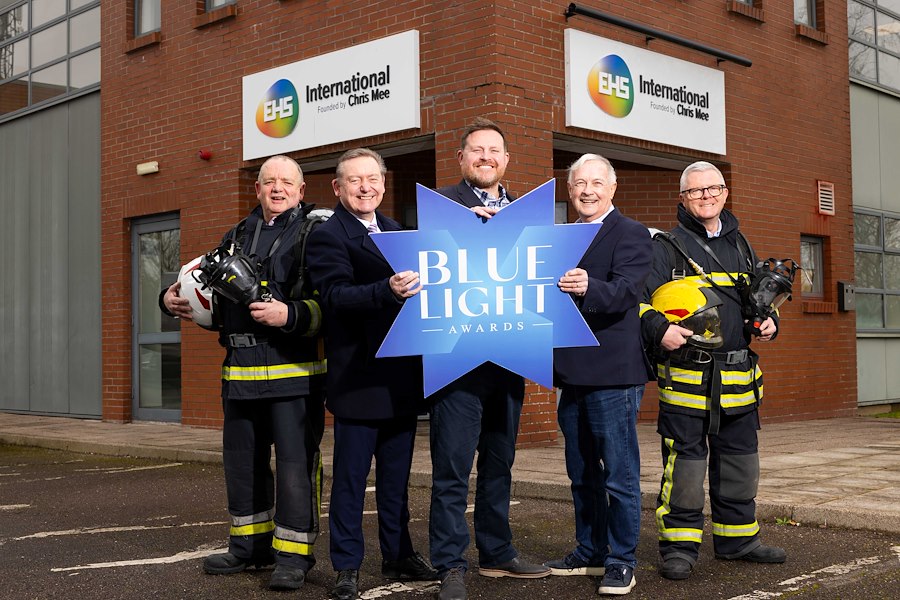
EHS International has been announced as the?Gold Sponsor of the inaugural Ireland Blue Light Awards, a new national awards?programme recognising?the dedication and professionalism of Ireland’s emergency service personnel.?
The awards will celebrate individuals and teams working across?Ireland’s?frontline?emergency response community, including Fire & Rescue Services, Ambulance and Paramedic Services,?An?Garda Síochána, Search and Rescue teams and volunteer first responders.?
Speaking on the announcement today (23 March), Chris Mee, Founder and CEO of EHS International, said: “Emergency responders carry enormous responsibility. They step forward in moments when others step back, and their professionalism, training and teamwork protect lives every day.??
“At EHS International, we work closely with?organisations?involved in emergency response and safety, so it is a privilege to support the Ireland Blue Light Awards as Gold Sponsor and to host the official launch at our R&D Fire & Rescue Training Centre in Little Island. These awards will shine a well-deserved spotlight on the dedication and?expertise?of Ireland’s emergency services community.”?
The?Blue Light Awards?have been running?in?Northern Ireland?since?2024.?The introduction of the awards?in 2026 to?the Republic of?Ireland?will provide an even greater?platform to highlight the commitment, teamwork?and professionalism?demonstrated?by emergency responders?across the island.?
Jason Gillard?and Graham Given,?Co-Founders?of the Blue Light Awards, said:?“Emergency service personnel dedicate their lives to protecting others, often in the most challenging and unpredictable situations. The awards were created to?recognise?that commitment and to celebrate the individuals and teams whose work makes a real difference to communities every day.”???
“The awards have been?recognising?exceptional work across the UK’s emergency services for many years, and bringing the?programme?to?the?Republic of?Ireland is a natural next step. We are delighted to have the support of EHS International as Gold Sponsor as the awards launch here.”?
Nominations for the Ireland Blue Light Awards are now open, with the inaugural ceremony to take place on 15 August at the Clayton Hotel, Burlington Road, Dublin.?Further details on award categories and the nominations process are available at www.bluelightawards.com?
The awards will celebrate individuals and teams working across?Ireland’s?frontline?emergency response community, including Fire & Rescue Services, Ambulance and Paramedic Services,?An?Garda Síochána, Search and Rescue teams and volunteer first responders.?
Speaking on the announcement today (23 March), Chris Mee, Founder and CEO of EHS International, said: “Emergency responders carry enormous responsibility. They step forward in moments when others step back, and their professionalism, training and teamwork protect lives every day.??
“At EHS International, we work closely with?organisations?involved in emergency response and safety, so it is a privilege to support the Ireland Blue Light Awards as Gold Sponsor and to host the official launch at our R&D Fire & Rescue Training Centre in Little Island. These awards will shine a well-deserved spotlight on the dedication and?expertise?of Ireland’s emergency services community.”?
The?Blue Light Awards?have been running?in?Northern Ireland?since?2024.?The introduction of the awards?in 2026 to?the Republic of?Ireland?will provide an even greater?platform to highlight the commitment, teamwork?and professionalism?demonstrated?by emergency responders?across the island.?
Jason Gillard?and Graham Given,?Co-Founders?of the Blue Light Awards, said:?“Emergency service personnel dedicate their lives to protecting others, often in the most challenging and unpredictable situations. The awards were created to?recognise?that commitment and to celebrate the individuals and teams whose work makes a real difference to communities every day.”???
“The awards have been?recognising?exceptional work across the UK’s emergency services for many years, and bringing the?programme?to?the?Republic of?Ireland is a natural next step. We are delighted to have the support of EHS International as Gold Sponsor as the awards launch here.”?
Nominations for the Ireland Blue Light Awards are now open, with the inaugural ceremony to take place on 15 August at the Clayton Hotel, Burlington Road, Dublin.?Further details on award categories and the nominations process are available at www.bluelightawards.com?
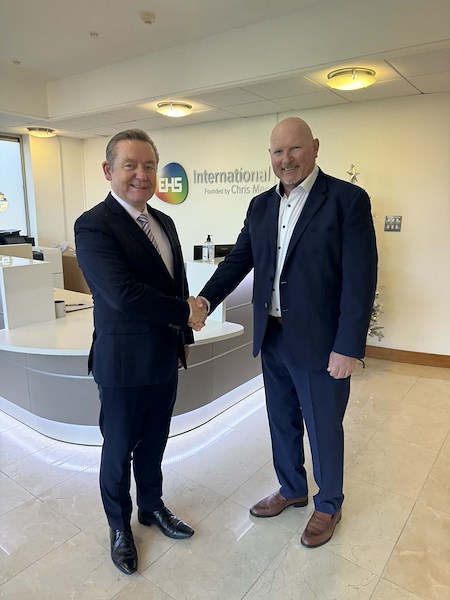
EHS International, a leading Irish environmental, health, and safety (EHS) company, has announced the appointment of Robert Butler as its new Dublin Operations Director. Robert will spearhead operations from EHS International's Ballymount office, driving the company's mission of delivering top-tier single-source EHS solutions and training services.
With an extensive background in EHS and a proven track record of leadership and strategic development, Robert is well-positioned to lead the Dublin operations. His career spans over three decades, and he has extensive experience in training, consultancy, and business development.
Speaking on the new appointment, Chris Mee, Founder and CEO of EHS International, said: "We are thrilled to welcome Robert as our new Dublin Operations Director. His extensive experience and proven leadership will undoubtedly bolster our efforts to deliver unparalleled EHS solutions and further solidify our position as a leader in the industry. Robert's appointment reflects our unwavering commitment to driving excellence and innovation in environmental, health, and safety services across Ireland."
Robert was the Head of Learning & Development at the Construction Industry Federation (CIF), where he played a pivotal role in developing continued professional development programmes and ensuring the successful delivery of annual revenue targets. Additionally, Robert served as a Board Member of the Health & Safety Authority (HSA), where he collaborated closely with executive teams to drive strategic initiatives and uphold operational excellence standards and had a tenure as Director for Safety & Health Consultancy at ESA Consultants.
His academic credentials include a Master's in Business Practice from University College Cork, complemented by multiple certifications in various EHS disciplines.
Commenting on his appointment, Robert stated: "I am excited to join Chris Mee's EHS International and lead the Dublin Operation. I look forward to contributing to the company's continued success and to playing a key role in promoting excellence in environmental, health, and safety services across Ireland."
For further information on EHS International, founded by Chris Mee, visit www.ehsinternational.com
With an extensive background in EHS and a proven track record of leadership and strategic development, Robert is well-positioned to lead the Dublin operations. His career spans over three decades, and he has extensive experience in training, consultancy, and business development.
Speaking on the new appointment, Chris Mee, Founder and CEO of EHS International, said: "We are thrilled to welcome Robert as our new Dublin Operations Director. His extensive experience and proven leadership will undoubtedly bolster our efforts to deliver unparalleled EHS solutions and further solidify our position as a leader in the industry. Robert's appointment reflects our unwavering commitment to driving excellence and innovation in environmental, health, and safety services across Ireland."
Robert was the Head of Learning & Development at the Construction Industry Federation (CIF), where he played a pivotal role in developing continued professional development programmes and ensuring the successful delivery of annual revenue targets. Additionally, Robert served as a Board Member of the Health & Safety Authority (HSA), where he collaborated closely with executive teams to drive strategic initiatives and uphold operational excellence standards and had a tenure as Director for Safety & Health Consultancy at ESA Consultants.
His academic credentials include a Master's in Business Practice from University College Cork, complemented by multiple certifications in various EHS disciplines.
Commenting on his appointment, Robert stated: "I am excited to join Chris Mee's EHS International and lead the Dublin Operation. I look forward to contributing to the company's continued success and to playing a key role in promoting excellence in environmental, health, and safety services across Ireland."
For further information on EHS International, founded by Chris Mee, visit www.ehsinternational.com
Products & Services
Team
| Name | Role | Telephone | |
|---|---|---|---|
| Chris Mee | Founder & CEO | [email protected] | +353 (0)21 206 6006 |
| Derry Cronin | Operations Manager | [email protected] | +353 (0)21 206 6006 |
| Valerie Foster | Head of Digital | [email protected] | +353 (0)21 206 6006 |
| Leah Murphy | Training Manager | [email protected] | +353 (0)21 206 6006 |
Location Map
Find EHS International in