Ireland
 UK
 Scotland
 London


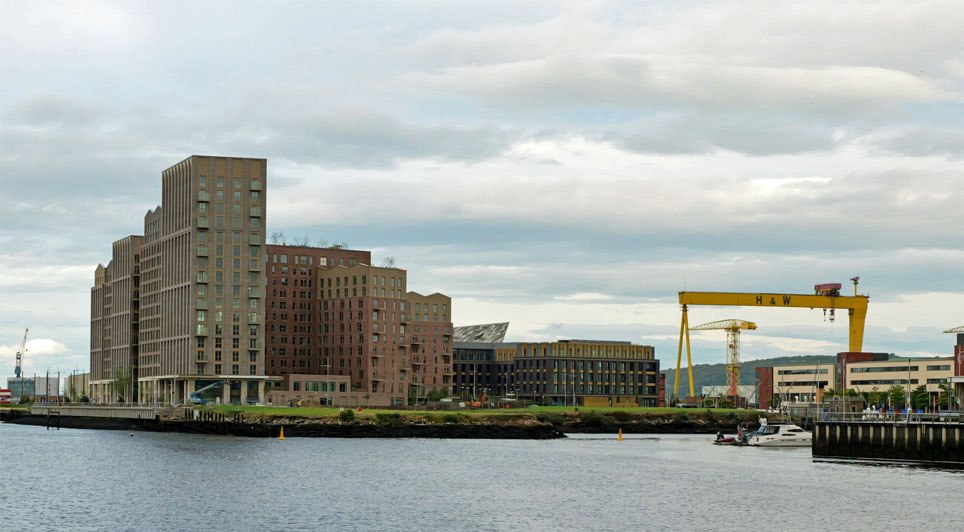
New data has shown that the number of new dwelling completions fell sharply in 2007/08, with just 8,827 housing completions, a decrease of 30% on the previous year.
On the NI 'Built Heritage', there has been a modest increase of 166 in the number of listed buildings with a total of 8,350 listed buildings recorded in 2008/09.
The new figures just published also showed that there are 13% more households in NI than a decade previoulsy and a continued increase in the population.
The Northern Ireland Environmental Statistics Report also shows that, in 2008, the population was 6% greater than 10 years previous.
The number of households has grown at an even faster rate, showing a 13% increase between 1999 and 2008.

Projected figures indicate that these trends are expected to continue over the next 20-25 years.
Other key points include data on air travel - which has almost doubled in the last 10 years, from 4.4million passengers in 1999 to 8.2million in 2008 and car travel accounted for over 70% of all the journeys made - although this figure has remained fairly constant over the last five years.
Northern Ireland's air quality has shown some improvements in recent years, and most measures are well within national air quality objectives.
In 2007, greenhouse gas emissions were 13% lower than in 1990, when monitoring of such emissions commenced.
However, the level of public concern about climate change has increased from 19% to 37% in the last five years, and is the biggest environmental concern for the Northern Ireland public.
In fact, climate records indicate that both minimum and maximum temperatures have increased since the start of the 20th century by approximately 1.5°C.
There is also some evidence of changing seasonal distribution of NI's rainfall with the proportion of annual rainfall falling in winter increasing, while summer rainfall has been decreasing since the start of the 20th century.
(BMcC/GK)