Ireland
 UK
UK Scotland
 London

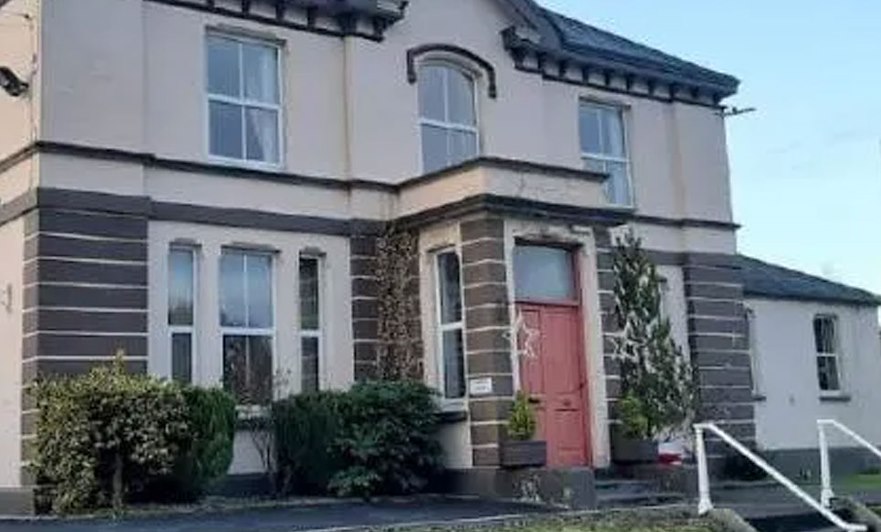
An historic courthouse has been re-opened after an €8.5m restoration project that brings the building to its original architectural glory.
Monaghan Courthouse was reopened by the Justice Minister, Brendan Smith who said: "I am confident that this courthouse will meet the needs of Monaghan and the surrounding area for many decades to come.
"I wish all who work here, the judges, staff and legal practitioners and the wider public who avail of court services, well for the future."
The Minister continued: "The building itself is a credit to the collaborative efforts of all those involved in its planning and construction.
"The Office of Public Works architects have done a fantastic job along with the main contractor, John Sisk & Son.
"They have managed to preserve the integrity of the building whilst sympathetically marrying the modernity of the newer elements.

"The provision of a new lift makes the building accessible to all. With all the new facilities provided for all court users, I think it fair to say that this building, whilst reflecting 19th century courthouse traditions and Joseph Welland's design, is very much 21st century in its operation.
"Finally, I would like to mention the staff here in Monaghan who had to carry on their work for many years in very poor conditions in the old courthouse and were dispersed to other offices in the town for the past few years during the refurbishment," he said.
The courthouse moved to its current location in 1830 when the building - designed by Joseph Welland - was completed at a cost of around £10,000.
One of the defining features of the design is the façade of Doric columns and the use of large sandstone blocks taken from the local quarry at Eshnaglogh that are said to make the building both very strong and striking.
According to a Department of Justice spokesman: "The works provide new and improved accommodation for all Court users and include consultation rooms for legal practitioners to meet their clients privately, victim support room, improved jury facilities, staff offices and a holding cell area for prisoners.
"The courthouse now includes three modern oak panelled courtrooms. Two are large jury courtrooms and the third serves as a family law court.
"New circulation routes meet the highest possible standards in segregating the way in which judges, jury members, public and prisoners enter the courthouse.
"The design of the courtrooms, along with the installation of a new lift, ensures universal access," he said, noting that the finance for the project was provided by the Irish Republic's Courts Service.
(BMcC/GK)