Ireland
 UK
 Scotland
 London


The UK's Gross Domestic Product, (GDP) only grew modestly at the start of the year - but making it likely that the Bank of England will keep interest rates at record lows for some months.
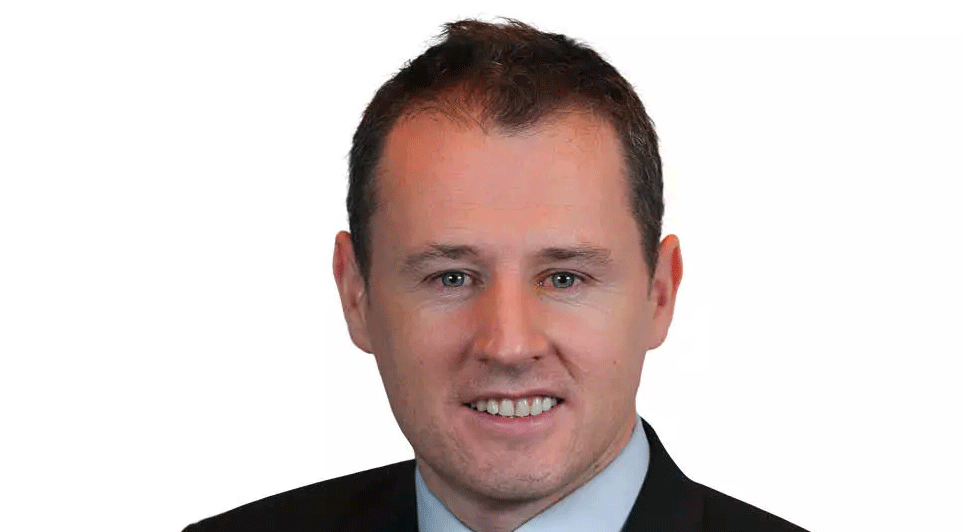
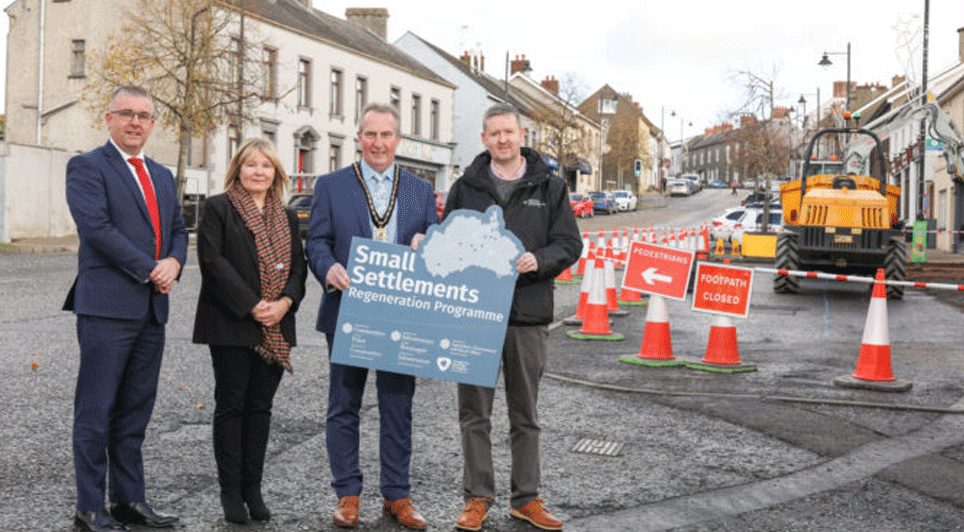
In Northern Ireland, the Northern Bank's Chief Economist Angela McGowan (pictured) said: "Even with the expected catch-up activity after the bad weather at the end of fourth quarter in 2010, the UK has failed to impress in the first quarter of this year."
It has been hit by the faltering construction industry - across NI and all of the rest of the UK - and is hindering economy recovery with GDP only expanding by 0.5% between January and March, in line with forecasts, after contracting by the same amount in the final three months of 2010.
That means Britain's economy has barely grown since September and is lagging other leading economies.
Construction was the biggest drag, falling by 4.7% on the quarter and posting its worst performance since the first quarter of 2009 when Britain was deep in recession, according to the Office for National Statistics (ONS).
ONS said in a statement: "GDP increased by 0.5% in the first quarter of 2011, following a decrease of 0.5% in the fourth quarter of 2010,"
"The effect of the abnormal weather conditions in December 2010 is estimated to have subtracted 0.5 percent from growth in the fourth quarter.
"GDP is estimated now to have returned to the level in the third quarter of 2010," it added.
Angela McGowan expanded on the situation in NI and commented: "It is important to note that the economy has not actually gone into reverse and, while there are significant challenges ahead, there are also opportunities for growth," she said, noting that the picture in Northern Ireland is broadly similar.
"We face the same austerity and inflation pressures, but our manufacturing base continues to tap into the global recovery and we have also seen some good investments recently in the local financial and business service sectors.
"However, both NI and the [rest of the UK] have some distance to go before high and sustainable growth levels are achieved," she commented.
"Austerity measures, low household confidence and high inflation will continue to place downward pressure on economic activity; but the global recovery continues and should help to support UK growth going forward.
"In addition, unemployment levels, although edging upwards, have done so extremely slowly and, compared to many other advanced economies, the UK has lost fewer jobs," she said.
"Manufacturing continues to provide support to overall output levels and reinforces the need for a diverse portfolio when it comes to the national economy," she concluded.
(BMcC/GK)