Ireland
 UK
 Scotland
 London


Phil Hogan, T.D., Minister for the Environment, Community and Local Government, and Fergus O’Dowd, T.D., Minister of State with responsibility for NewERA has announced, starting today, a six week public consultation on a suite of fundamental reforms of the water sector which the Government are planning to introduce.
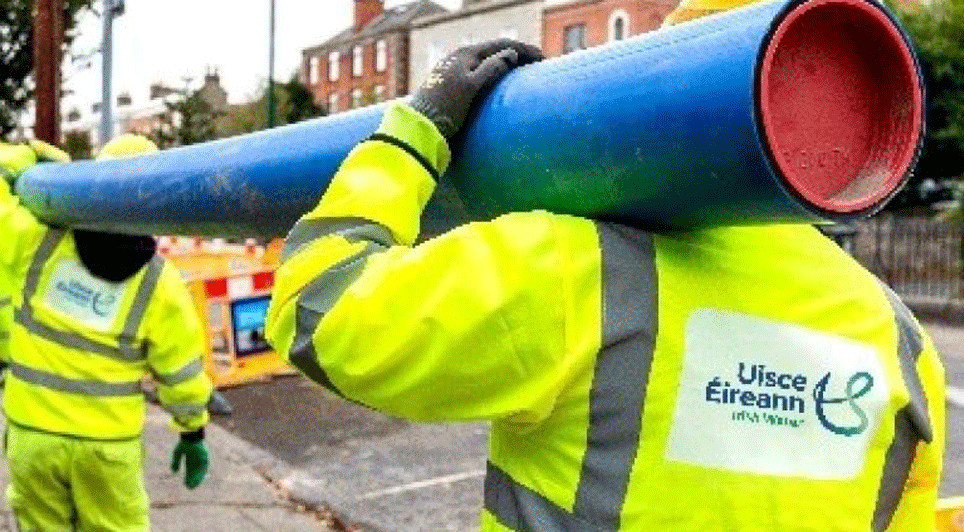
Through the water metering programme and a steady level of capital investment of potentially €600 million per annum, the water sector will create and sustain 2,000 construction jobs. Minister Hogan said: "From today members of the public and key stakeholders will have an opportunity to consider these reforms and provide their views which I am convinced will improve the implementation process."
The local government system has served the country well in providing necessary water and sewerage infrastructure. However, the independent assessment highlighted a number of problems with the current model of water services provision that requires a fundamental reform on the way the State delivers water services.
Minister Hogan recognises the need for Irish Water to build on the strengths of the existing system including an experienced and committed workforce. Consequently Irish Water, although a national company, will have a regional and local focus and a phased transition is proposed to ensure continuity of service and the building of a fit for purpose organisation within a reasonable timescale.

Water services cost over €1.2 billion to run in 2010, of which operational costs amounted to some €715 million, and capital costs of over €500 million. The Programme for Government also provides for the introduction of a fair funding model to deliver clean and reliable water with the objective of installing water meters in households and moving to a charging system that is based on use above a free allowance.
Minister Hogan said: "We are the only country in the OECD where households do not pay directly for the water they use. Our current model of water provision, where unlimited quantities of an expensive product are provided at no charge, is simply not sustainable. The Government intends to embark on a universal metering programme with installation of the necessary infrastructure to commence this year, creating 2,000 jobs each year for the next three years in the construction industry. The aim is to achieve completion of the metering programme to the highest standards as quickly as possible."
Economic regulation of the water sector will be undertaken by the Commission for Energy Regulation. Minister O’Dowd said: "The primary duty of the economic regulator will be to protect the interests of customers. This will be achieved by having an appropriate regulatory framework that is clearly enforced with the aim of ensuring that efficiencies are driven, costs are reduced and that these benefits are passed on to consumers. Cutting costs significantly from their present levels will be a key objective for the regulator. The Government will also ensure that policies are in place to address affordability for those on low incomes or those that have medical conditions that necessitate a high level of water use."
In conclusion, Minister Hogan said: "The programme of reforms set out in the paper will ensure that the appropriate organisation and funding model are in place to deliver water services to existing and future users, while also providing the volume and quality of water and waste water services required to protect public health and support employment."
(CD/GK)