Ireland
 UK
 Scotland
 London


The Mayor of Cork, John Paul O'Shea, has urged the Government to invest in the county in order to secure its future economic and social development.
Following the report of the Dublin Housing Supply Task Force, Councillor O'Shea said: "It is crucial we in Cork get the state investment needed in order to pave the way for the much needed housing requirements for the county.
"Cork Co Council's planning staff have outlined the need for Cork to build in excess of 10,000 additional houses up to 2020 in order to cater for the sustainable and co-ordinated growth of Cork as a whole.
"I am calling on the Government to invest in Cork in order to secure its economic and social development for the future."
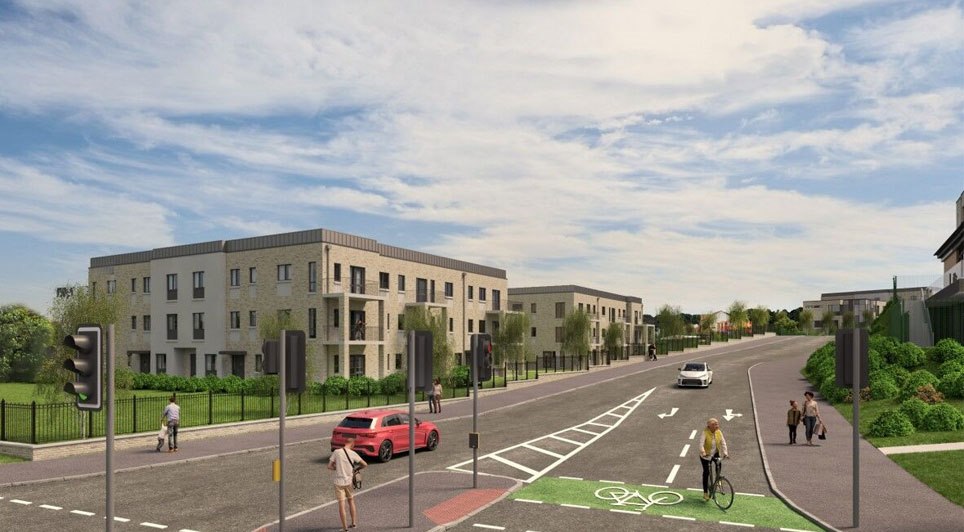
In line with a recent request from the Dublin Supply Task Force, the council is understood to be seeking Government backing for critical roads, surface-water and transport infrastructure proposals which will unlock "significant" economic growth and "much-needed" new housing development in the Metropolitan area close to Cork City.

The council's Planning and Strategic Development Police Committee has confirmed that between 3,000 and 3,500 new houses need to be built each year.
In the critical area closest to Cork City, over 60% of the supply of land for new housing already identified in County Council Plans is comprised in nine large development sites in Ballincollig, Ballyvolane, Blarney, Carrigaline, Carrigtwohill, Cobh, Dunkettle, Midleton & Monard.
The council states housing and business development in these locations cannot begin without investment in critical roads, water and transport infrastructure.
Estimates suggest that three of these sites – Carrigaline, Carrigtwohill and Midleton – could deliver more than 6,800 houses, but require state-backed investment totalling €24.7m, mainly to secure adequate roads and footpaths, surface water drains and amenity infrastructure.
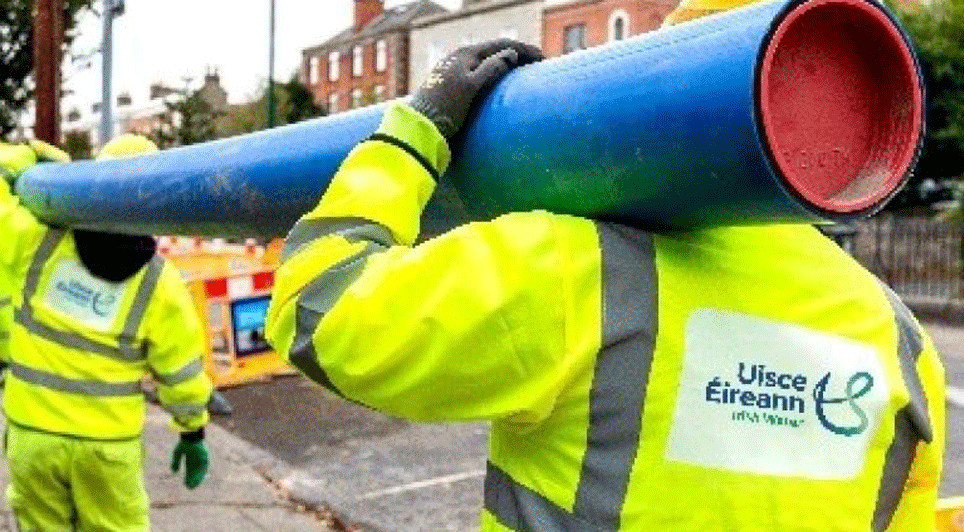
Irish Water has already indicated that it will make provision for investment to support these planned developments in its investment programmes.
The initial cost to the State would be around €3,600 per home, a similar level of investment to that identified by the Dublin Housing Task Force.
However, the council intends to re-coup a substantial contribution towards the cost of this infrastructure from developers as development progresses, but needs state backing to fund the initial outlay without which development cannot begin.
(LM)