Ireland
 UK
 Scotland
 London


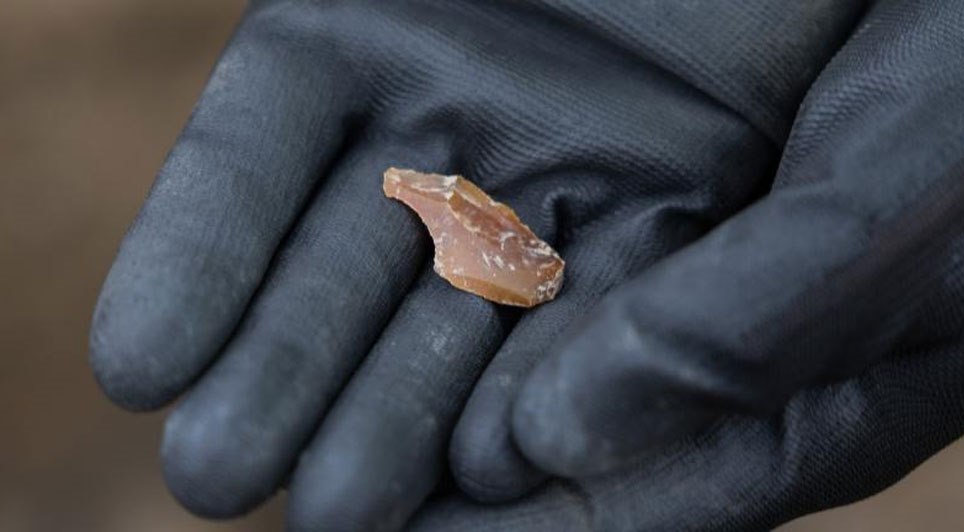
As advance works continue on the Greater Dublin Drainage (GDD) scheme, archaeological surveys at Abbotstown are uncovering and safeguarding elements of the area's past.
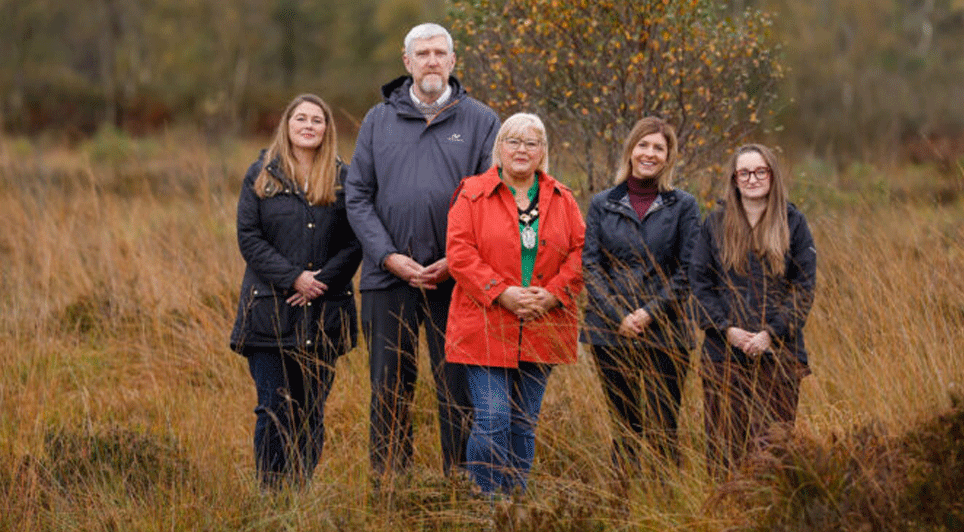
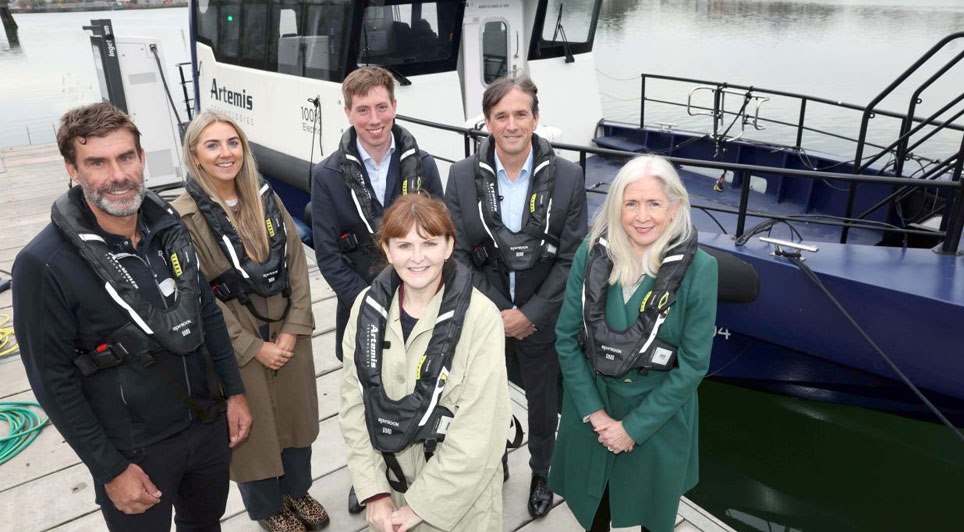
Specialist archaeologists, joined by members of the Blanchardstown and Castleknock History Society and the Clonsilla & Porterstown Heritage Society, recently toured the site at Sheephill, Abbotstown, where the remains of an early medieval enclosure or ringfort have been identified.
Ringforts were among the most widespread settlement forms in early medieval Ireland, typically dating from AD 600 to 900. Used as family homesteads and livestock enclosures, they offer valuable insights into everyday rural life more than a millennium ago.
Speaking about the discovery, project archaeologist Derek Gallagher said: "Through a combination of geophysical surveys and test trenching, our team identified the remains of a circular enclosure hidden beneath the surface. Discoveries like this provide a fascinating glimpse into how people lived in this area over a thousand years ago. Archaeological investigations not only help protect our heritage, but they also create a permanent record that contributes to our understanding of the history of Abbotstown and can be shared with future generations."

Before enabling works began, Uisce Éireann obtained an archaeological excavation licence from the National Monuments Service (NMS). The licence ensures investigations are undertaken by qualified professionals to recognised standards, and that any finds are properly examined, recorded and preserved. All records and related archives from the excavation will be lodged with the National Monuments Service Archive, while any artefacts recovered will be deposited with the National Museum of Ireland.
Commenting on the programme, Dermot Bruton, Programme Manager with Uisce Éireann, said: "Protecting Ireland's archaeological heritage is an important part of how we deliver major infrastructure projects responsibly. These investigations ensure that significant discoveries are carefully identified, recorded, and preserved before construction begins, while allowing this vital project to continue progressing. We are pleased that local history and heritage groups have had the opportunity to see these findings first-hand and learn more about the rich history of the area."
Reflecting on the visit, Christine Moore of the Clonsilla & Porterstown Heritage Society said: "This is a part of our history that I'm not very familiar with and it was lovely to see first-hand the work and care that is taken by the archaeologists to make sure that nothing is lost to time as part of the infrastructure project. It's fascinating to see the hard work they go through to find the tiniest of things and bring history back to life, ensuring that it's carefully preserved for future generations."
The GDD project is designated as critical national infrastructure under the Critical Infrastructure Act 2026. It will deliver wastewater treatment capacity for the equivalent of around 500,000 people and help enable up to 185,000 new homes across north Dublin and nearby areas of Meath and Kildare, while protecting the environment and Dublin Bay. The scheme comprises a regional wastewater treatment facility at Clonshaugh, an orbital sewer network, a pumping station and a marine outfall to the Irish Sea.
Uisce Éireann, which provides public drinking water and wastewater services nationwide, says it remains committed to investing in essential infrastructure that supports communities, underpins sustainable growth and safeguards the environment. For more information, visit Uisce Éireann's Greater Dublin Drainage project page.