Ireland
 UK
 Scotland
 London


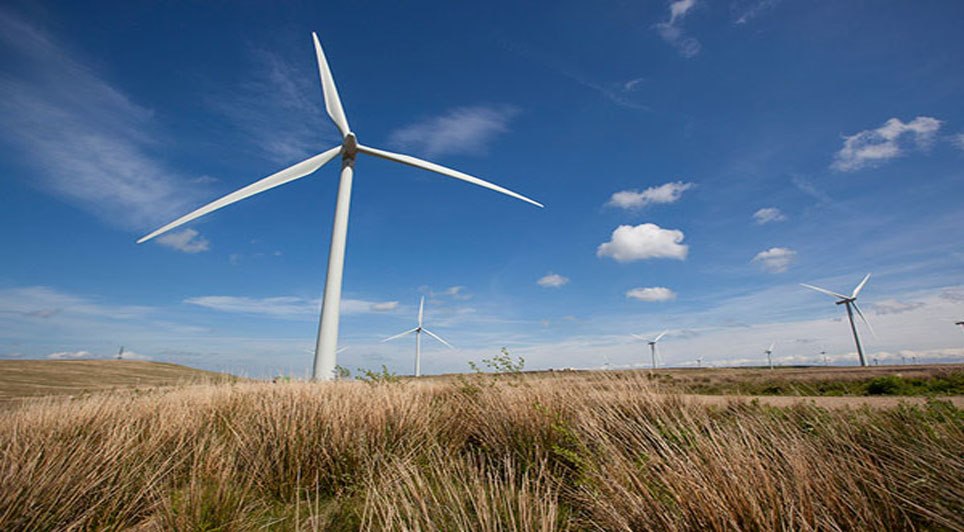
Ireland's sixth Renewable Electricity Support Scheme auction has provisionally secured more than 1,800 gigawatt hours of clean electricity, enough to power over 450,000 homes, Climate, Energy and Environment Minister Darragh O'Brien has announced.
The provisional results cover more than 1,550 megawatts of onshore renewable capacity, comprising 188 MW of wind and 1,367 MW of solar. The weighted average prices of successful offers were €99.35 for wind and €102.42 for solar. The department said the auction was the largest by successful volume or capacity since RESS 2.
The department said increased wind and solar generation could reduce the frequency with which gas determines wholesale electricity prices, limiting Ireland's exposure to international gas price volatility. It also said solar was Ireland's fastest-growing electricity generation technology, with almost 3.5 gigawatts installed across household, small-business and larger grid-scale projects. Ireland's solar target is 8 GW.
The department said stronger participation by wind developers and faster progress through planning, consenting and grid connection would be needed to meet onshore wind ambitions.
O'Brien said: "I am delighted to confirm the success of the RESS 6 auction, which has provisionally secured enough clean power for over 450,000 homes – our second largest auction in terms of successful volumes/capacities of the scheme to date.
"Our energy system is changing at pace. We have achieved an increase of over 2.2 GW [Giga Watts], of installed renewable electricity capacity, and an over doubling of grid-scale solar capacity, since this Government took office. RESS plays a pivotal role in delivering this progress, providing the support and certainty needed to bring projects forward.

"However, it is clear that we are not seeing enough onshore wind farms entering these auctions in recent years, with onshore wind being outpaced by solar developments. Greater participation from wind developers, utilising the regional renewable electricity allocations included in the revised National Planning Framework, as well as the acceleration of projects through the planning, consenting, and grid connection processes, is key to the achievement of Ireland's onshore wind ambitions. Hybrid wind/solar and storage assets will also be increasingly important for the power system in Ireland. We need to facilitate full integration of hybrid renewables and storage projects into the market.
"Ultimately, the only lasting way out of fossil fuel dependency is to modernise by shifting electricity generation to renewables, and by electrifying the economy as rapidly as possible.
"Ireland has made enormous progress. Our task now is to build on that momentum and deliver the clean electricity system that will power Ireland's future."
EirGrid chief operations officer Michael Kelly said: "We welcome today's provisional RESS 6 results. This auction is an important step in supporting Ireland's renewable energy goals.
"As auction administrator, EirGrid supports the Department in the delivery of the RESS auction process.
"EirGrid's role is also to operate and develop the electricity grid so it can safely and reliably accommodate increasing levels of renewable energy. For the first time, RESS 6 looks beyond price to also consider resilience and how projects support the wider electricity system. That broader approach is important as we work to connect more renewable generation and build a cleaner, more secure and affordable electricity supply for Ireland."
Under the scheme's two-way settlement arrangement, renewable generators receive support when market prices are low and repay money to electricity customers when prices are high. Successful projects must also contribute at least €2 per megawatt hour to community benefit funds. The department estimates that they will provide about €56.82 million over the scheme's lifetime, or more than €3.78 million a year.
The department said upgrades to the grid, greater storage capacity and hybrid connections would help Ireland make better use of renewable generation. It said expanding wind and solar could support the electrification of transport, heating and industry while reducing emissions and exposure to international fuel markets.
O'Brien concluded: "Ireland has made real and measurable progress in expanding our renewable electricity capacity, with the pace of delivery now accelerating. We must build on that progress and go further and faster, strengthening our energy security, reducing our exposure to international energy price shocks and delivering a more secure and resilient electricity system for the future."
RESS has held six auctions between 2020 and 2026. Almost 6.3 GW of new renewable capacity was contracted in the first five, and the scheme has enabled roughly 2.35 GW of installed onshore wind and solar capacity to be energised. Offshore wind has separate auctions.
RESS 6 is the first auction under the scheme to apply non-price criteria required by the EU's Net Zero Industry Act, including new eligibility and award criteria. The government has reaffirmed a near-term target for renewables to meet 80% of electricity grid demand, alongside its ambition for a climate-neutral economy by 2050.