Ireland
 UK
 Scotland
 London


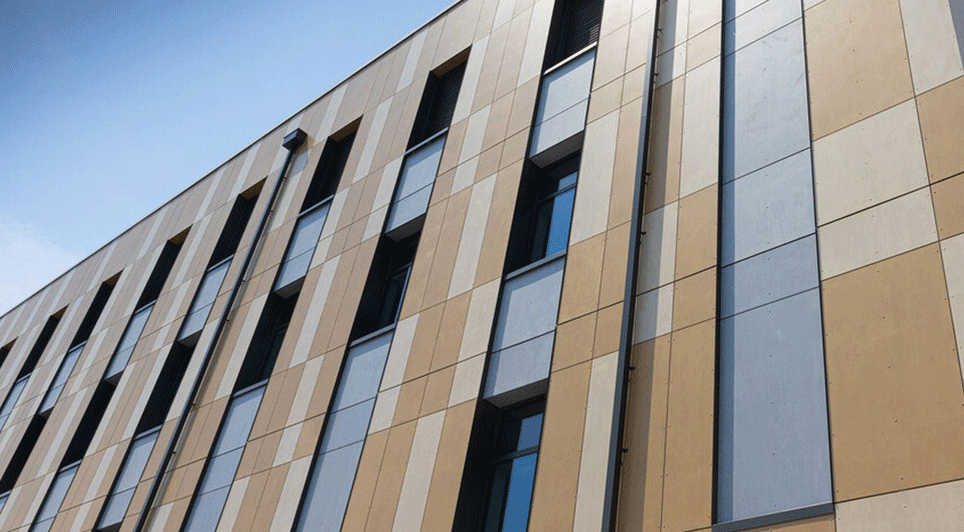
Office buildings in Ireland have the potential to save more than €2 million per year in energy costs just by going green, according to energy efficiency experts.
The suggestion was made at this week's 'Energy Efficiency in Office Buildings - Working Towards Energy Efficiency' conference, which was attended by more than 120 Irish and German energy experts.
Speaking at the conference in Dublin, Dr. Günther Löhnert dispelled the myth that office buildings need to consume large amounts of energy to function from.
He claimed low energy and 'Passivhaus' standards are transferable to commercial buildings.
High quality air-tight materials, insulation, energy efficient ventilation and optimisation of daylight were identified by Dr. Löhnert as some of the most important factors in the construction or refurbishment of an energy efficient office building.
"Office buildings in Ireland don't necessarily have to be rebuilt in order to achieve higher energy efficiencies. This can be achieved without extra investment costs, simply by optimising the use of space in the buildings," said Dr Löhnert.
Christian Blauel, from Matrix Energy Office, outlined the principle behind the '3-litre office building' whereby the energy consumption for heating and cooling the office building is less than 3 litres of oil per m2 in a year compared to an average of four or even six times this for office buildings currently.
"This could save energy costs of up to €2million for an office building with a floor area of 2000m2," said Mr Blauel.
Ireland’s recent advances in the field of energy efficiency in buildings were also highlighted.
A number of energy efficient office building projects in Ireland were outlined at the conference, including Limerick County Hall, which has achieved a 70% reduction in energy use compared to a naturally ventilated office.
Among the German delegation at the conference, funded by the German ministry of Economics and Technology, were German energy efficiency specialists and consultants, as well as manufacturers of ventilation systems, lighting and an innovative energy-saving paint.
Over 100 companies, working within the domestic energy efficiency sector, represented Ireland.
This ranged from government representatives, installers, architects and engineers, public bodies and institutions, research bodies and other interest groups.
(PR/JM)