Ireland
 UK
 Scotland
 London


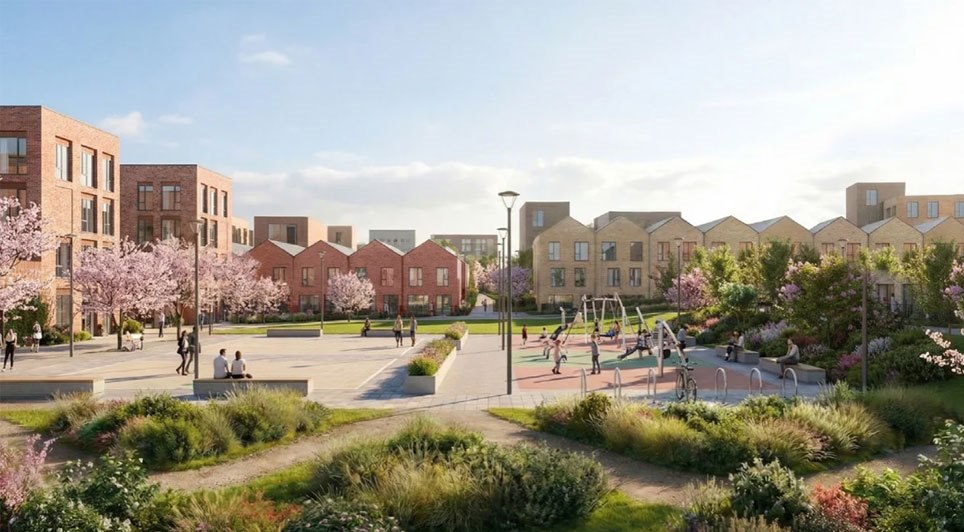
Fingal County Council has welcomed councillors' approval of the Dunsink Urban Area Plan, a major step towards creating Dunsink City Quarter, a sustainable urban community that could ultimately deliver up to 15,000 homes along with schools, parks, community facilities, jobs and supporting infrastructure.
Over four meetings this week, members examined the Chief Executive's report on submissions, considered resulting amendments and debated 240 motions to the draft plan. Some agreed motions may amount to material amendments requiring further public consultation under the statutory process, although most of the Plan remains unchanged.
Progress through public consultation and members' scrutiny has been significant. The Plan maintains a clear, long-term framework for Dunsink's future development, guided by infrastructure objectives and key principles, including a range of densities.
Mayor of Fingal, Cllr Tony Murphy, said: "The adoption of this Plan marks an important milestone in shaping one of the most significant new communities planned for Ireland in recent decades. I want to acknowledge the contribution of residents, stakeholders and elected members whose engagement throughout the process has helped to shape the final Plan. Their input has strengthened the framework that will guide the future development of Dunsink."
The Chief Executive of Fingal County Council, AnnMarie Farrelly, said: "The adoption of the Dunsink Urban Area Plan represents a significant milestone in planning for one of the most important strategic growth locations in the country.

"While certain amendments agreed by members may require a further period of public consultation, the vast majority of the Plan remains unchanged and substantial progress has been achieved.
"The vision for Dunsink as a sustainable new community remains firmly in place and the work completed to date provides a strong foundation for delivering homes, infrastructure, services, employment opportunities and amenities for future generations."
Róisín Burke, Director of Planning and Development at Fingal County Council, said: "The Dunsink Urban Area Plan establishes a comprehensive framework for growth which responds to both local needs and national planning objectives. By integrating housing, transport, community facilities, biodiversity, heritage and climate resilience into a single planning framework, the Plan will help guide the creation of a high-quality and sustainable new community that can evolve over time while maintaining a strong sense of place."
The Urban Area Plan sets a residential-led, mixed-use vision across a 435-hectare site within the M50, between Castleknock, Blanchardstown and Dublin city centre.
It plans homes, jobs, schools, parks and community facilities together from the outset, while recognising and celebrating the area's natural, cultural and scientific heritage, including Dunsink Observatory, the Royal Canal and the Tolka Valley.
Dunsink City Quarter will play a central role in meeting housing demand in the Dublin region. The framework enables an initial phase of up to 2,500 homes, with the potential over time to accommodate up to 15,000, supported by the infrastructure, services, employment opportunities and amenities needed to build a sustainable new community.
The adopted Plan is organised around eight development areas, including the residential neighbourhoods of Dunsink East, Dunsink Central and Dunsink West. It also provides for a Cultural Quarter centred on Dunsink Observatory and a new Regional Park and Recreational Hub on the former landfill site.
Transport proposals include enhanced connections to Ashtown and Navan Road Parkway railway stations, provision for future public transport investment, local bus services and a comprehensive active-travel network linking communities to rail, greenways, parks and amenities.
The Council has already secured in excess of €20 million from the Government's Housing Infrastructure Investment Fund (HIIF) to deliver key upgrades on the Dunsink lands, helping to unlock development and provide the necessary infrastructure to support growth.
Community infrastructure — including community centres, childcare facilities and schools — is embedded in the Plan, with each phase tying the delivery of housing to supporting services, public realm enhancements and sustainable transport.
Next steps will see the Council assess the amendments adopted by members and decide whether any constitute material alterations to the draft Plan. If so, they will be subject to further public consultation under the statutory process before the Plan is returned to the Council for final adoption.