Ireland
 UK
 Scotland
 London


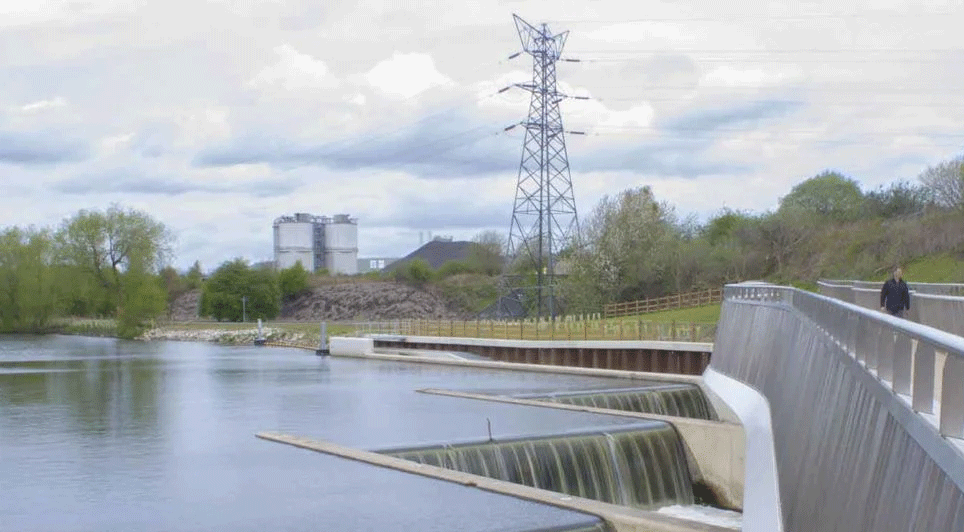
A plan has been published which outlines objectives and measures to manage flood risk across Northern Ireland.
This second cycle Flood Risk Management Plan 2021-2027 follows a public consultation on the draft Plan and focuses on the prevention of flooding, protection of individuals, communities and the environment and preparedness arrangements for flood warning and emergency response.
Announcing the plan, Infrastructure Minister Nichola Mallon said: "This Plan outlines objectives and measures to manage flood risk that will benefit citizens across all of Northern Ireland. In recent years, flooding to homes and businesses in Northern Ireland has presented considerable challenges to both people and communities directly affected and to those providing emergency responses to it. Flooding has devastating impacts on human life and health; damage to property; pollution to rivers and the sea; and severe effects on economic activity, infrastructure and the environment. The climate emergency is making this more frequent and the recent COP26 event in Glasgow highlighted that climate projections indicate that changing rainfall patterns, rising sea levels and more extreme weather conditions will increase its occurrence in the future.

"Whilst the Plan focuses on 12 areas of significant flood risk with specific measures tailored to manage flood risk in particular locations, it also sets out measures for sustainable flood risk management across all of the North including the wider River Basin Districts."
This comes after the recent publication of the 'Living With Water in Belfast: An Integrated Plan for Drainage and Wastewater Management in Greater Belfast'.
Minister Mallon added: “We must work together with urgency to meet our Climate Change ambitions, grow our economy, address regional imbalance, improve wellbeing and support a thriving region where people want to live, work, visit and invest.
“Our approach to flood risk is a key part of this and I hope that readers find this second cycle Flood Risk Management Plan informative. I look forward to seeing the benefits of its implementation and further development over this six-year planning cycle 2021-2027.”