Ireland
 UK
UK Scotland
 London

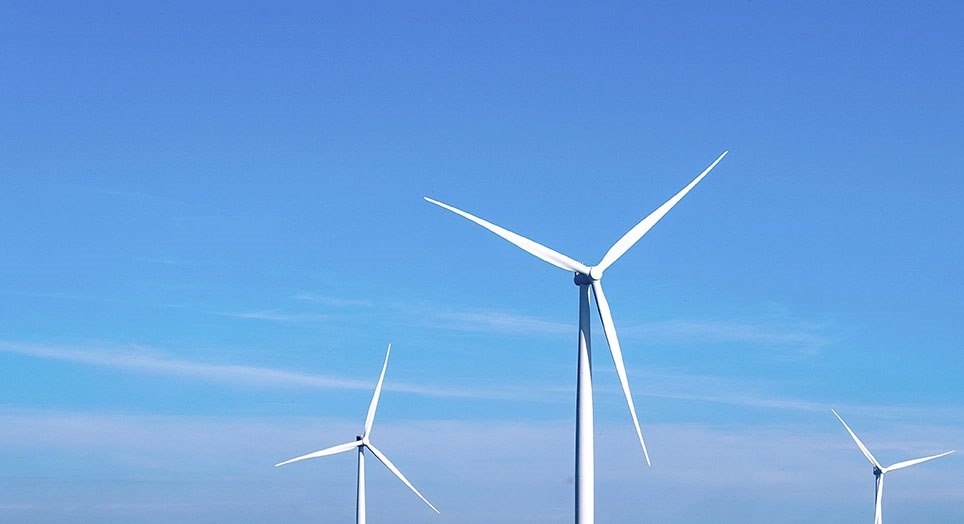
Ireland's wholesale electricity price averaged €170.54 per megawatt-hour (MWh) in August, up 9.6 per cent on July. It marks a second straight monthly rise and the highest average since December 2022, as reduced wind output left the system more reliant on imported fossil fuels.
Market volatility linked to tensions in the Middle East, including the Strait of Hormuz, continued to unsettle international fossil fuel prices, adding further pressure to Irish power costs.
Price movements closely tracked wind availability. On low-wind days, the average price was €171.99/MWh, while on the windiest days it slipped to €148.12/MWh — a gap of €23.87/MWh — illustrating wind energy's dampening effect on electricity costs.
Wind farms generated 614 gigawatt-hours (GWh) in August, meeting 18 per cent of demand — the lowest monthly share so far this year — while strong sunshine helped solar supply a further 7 per cent. Over the first eight months of 2026, wind has provided 32 per cent of Ireland's electricity and remained the leading source of renewable power in August.

Building a broader portfolio of onshore and offshore wind, backed by a reinforced grid and more storage, would help curb the impact of periods with lower wind.
Noel Cunniffe, CEO of Wind Energy Ireland, said: "August's figures are a warning of what happens when Ireland must rely heavily on imported fossil fuels. Families and businesses are left exposed to international energy prices that we cannot control.
"We cannot control the weather or international gas markets, but we can control how quickly we build the infrastructure Ireland needs. Faster planning decisions, quicker grid connections and greater investment in wind energy and storage will help deliver cleaner, more secure and more affordable electricity.
"More wind farms, across a wider range of onshore and offshore locations, and solar farms will enable us to generate more clean electricity across different weather conditions. Increasing our storage capacity will further insulate consumers from the volatile fossil fuel market.
"Even with wind supplying its lowest monthly share of electricity so far this year, wholesale prices on the windiest days were nearly €24 lower than on the least windy days. This shows how wind energy continues to provide a valuable buffer for consumers."
Kerry topped the county rankings in August with 61 GWh of wind generation. Offaly followed with 49 GWh, then Mayo at 47.4 GWh, Cork at 47 GWh and Galway at 46 GWh. Combined, these five counties produced more than 250 GWh, accounting for over 40 per cent of all wind-generated electricity during the month.
Noel Cunniffe concluded: "The county figures show the contribution communities across Ireland are making to our energy transition. From Kerry to Offaly, wind farms are helping to power homes and businesses with clean, home-grown electricity while supporting investment in rural communities."
The report draws on EirGrid's SCADA data compiled by MullanGrid, market data from ElectroRoute, and county-level generation figures from Infranua based on D+1 SEMO data.