Ireland
 UK
UK Scotland
 London

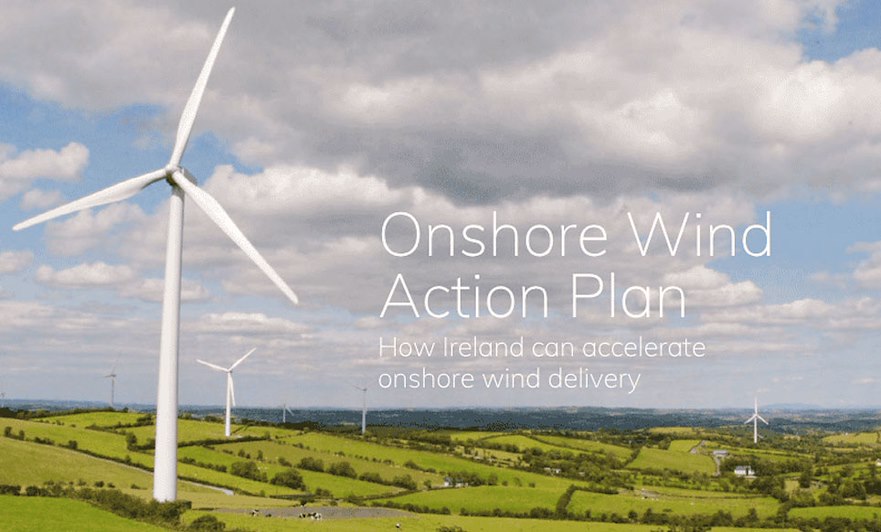
Wind Energy Ireland (WEI) has warned that constraints on Ireland's electricity network are the primary obstacle to achieving energy independence, as the industry body today unveiled a new Onshore Wind Action Plan aimed at speeding up delivery of the country’s lowest‑cost power source.
Onshore wind already supplies over a third of Ireland's electricity each year, cutting fossil fuel import bills and easing costs for households and businesses. WEI argues that a more capable grid, able to absorb higher volumes of renewables, would further reduce bills and emissions while strengthening energy security.
Developed through workshops with 22 renewable energy companies, the Action Plan sets out 15 practical steps to accelerate project timelines and boost investor confidence, including:
- Building public support and countering disinformation intended to undermine Ireland’s clean‑energy transition.
- Fast‑tracking nationally significant transmission projects and publishing a long‑term strategic roadmap for the electricity grid.
- Delivering a quicker, more predictable and transparent grid connection process, with clarity on requirements, costs and timelines.
- Enabling batteries to share grid connections with wind farms and to connect to each other to minimise wasted renewable energy.
- Tasking the Department of Climate, Energy and the Environment to work with industry and EirGrid to drive sustained reductions in lost renewable generation.
- Aligning planning policy across all levels of government with national renewable energy policy, current planning law and updated Wind Energy Development Guidelines.
Noel Cunniffe said: "Ireland has built one of Europe’s most successful onshore wind industries, but the system needed to connect the next generation of projects is not moving quickly enough.

"More than 3,000 MW of onshore wind farms already have planning permission. However, some of these projects are now being told they must wait five years and more for a grid connection. With projects ready to go, we must build a grid that can be the cornerstone of Irish energy independence.
"Every unit of wind power we cannot use means greater reliance on imported fossil fuels. It means higher costs for consumers, higher emissions and missed investment in rural communities.
"This Action Plan sets out practical steps to consent and connect projects faster, waste less renewable power and build an electricity system capable of supporting Irish homes, businesses and a growing economy."
Ireland now has just over 5,000 MW of installed onshore wind capacity, with a further 3,000 MW of consented projects seeking grid connections. The plan stresses the need to strengthen the State's ability to consent, connect and operate new renewable generation at the pace required to deliver the strong onshore pipeline.
Government focus on the grid has increased, with record investment and the designation of three major grid schemes as critical infrastructure under legislation introduced by Minister Jack Chambers TD. The Action Plan was welcomed by the Minister for Climate, Energy and the Environment, Darragh O’Brien TD.
Minister Darragh O'Brien TD said: "I welcome Wind Energy Ireland's Onshore Wind Action Plan and its practical recommendations to accelerate the delivery of affordable, home-grown renewable energy. Ireland is already an onshore wind success story and we have an opportunity to build on that success at pace.
"The Government is committed to creating the conditions for the next phase of growth – by strengthening our grid, speeding up project delivery, removing barriers and providing the certainty needed to unlock investment in renewable energy.
"More home-grown wind energy means a cleaner, more secure and more affordable electricity system. It will reduce our exposure to imported fossil fuels, strengthen Ireland’s competitiveness and energy security, and provide the power needed by our homes, businesses and economy.
"Delivering that opportunity will require continued cooperation across Government, industry, communities, regulators and State agencies."
WEI said EirGrid and ESB Networks have the plans and resources to succeed, but require sustained backing not only from Government and Opposition, but from communities and stakeholders across Irish society to deliver new power lines, substations and grid reinforcements.
Cunniffe continued: "We need to build new powerlines, new substations and strengthen the electricity grid. This will require sustained collaboration. That’s not just an engineering challenge, it will require significant investment in working with communities and providing clear, accessible, information to people in every walk of life.
"The prize is enormous; Irish energy independence, lower bills, a more secure supply of energy, a resilient and competitive economy, and leadership in the response to the climate emergency. Ireland has the wind, the projects and the people. This plan shows how to turn that potential into power."