Ireland
 UK
 Scotland
 London


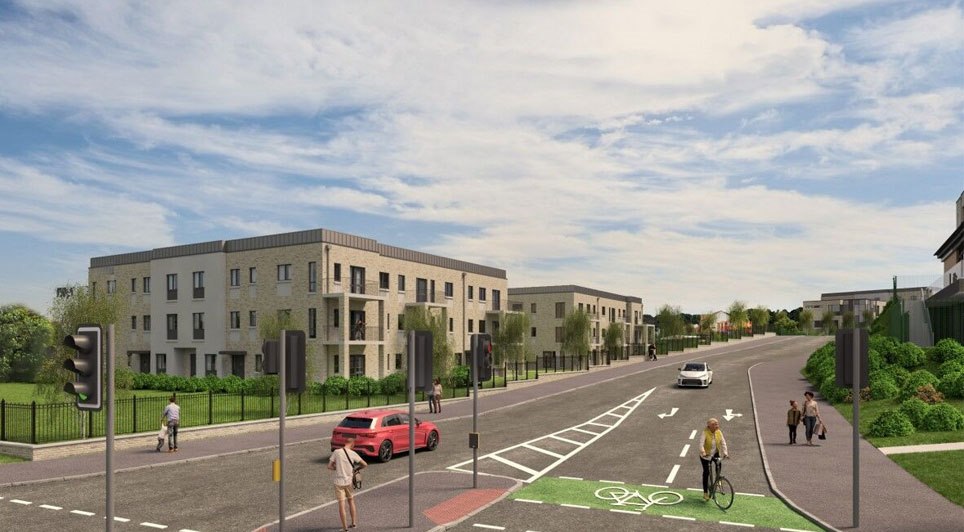
New recommendations have been outlined of the best ways to future proof social housing in Dublin city.
A new digital twin project explored the different ways to future-proof Dublin City Council's social housing stock. It is a virtual representation using real-time data, which can be used to simulate relationships between factors such as people, buildings and the environment. These virtual models have become a staple in modern engineering to drive innovation and improve performance.
Recognising the need to meet emissions reduction targets, retrofitting targets for social housing and housing delivery targets, Dublin City Council received funding from the Department of Public Expenditure and Reform's Public Sector Innovation Fund to develop a digital twin model of social housing flats built in 1962 located on Lower Dominick Street.

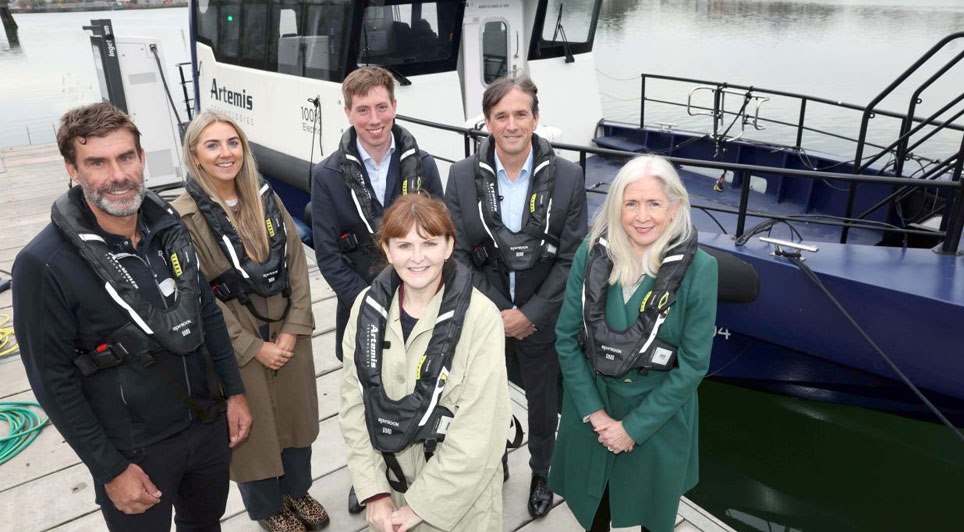
Launching the project Lord Mayor of Dublin, Caroline Conroy said: "We know that the lowest carbon house is one that is already built, but we also know it might not be the most energy efficient. The digital twin models generated in this project show that we need to retrofit to reduce our emissions."
Speaking at the launch Minister of State with responsibility for Public Procurement, eGovernment and Circular Economy, Ossian Smyth added: "This project demonstrates the importance of working collaboratively. Exchanging knowledge and experiences will allow us to innovate and help us meet our national targets for housing and climate."
Integrated Environmental Solutions Ltd. was engaged to develop the digital twin and assess the full carbon impact of four retrofit strategies over three time periods aligned with national targets for 2030, 2050 and beyond.