Ireland
 UK
 Scotland
 London


Sinn Féin has urged the Irish Government to address Ireland's high energy costs as families and businesses face "another crushing blow".
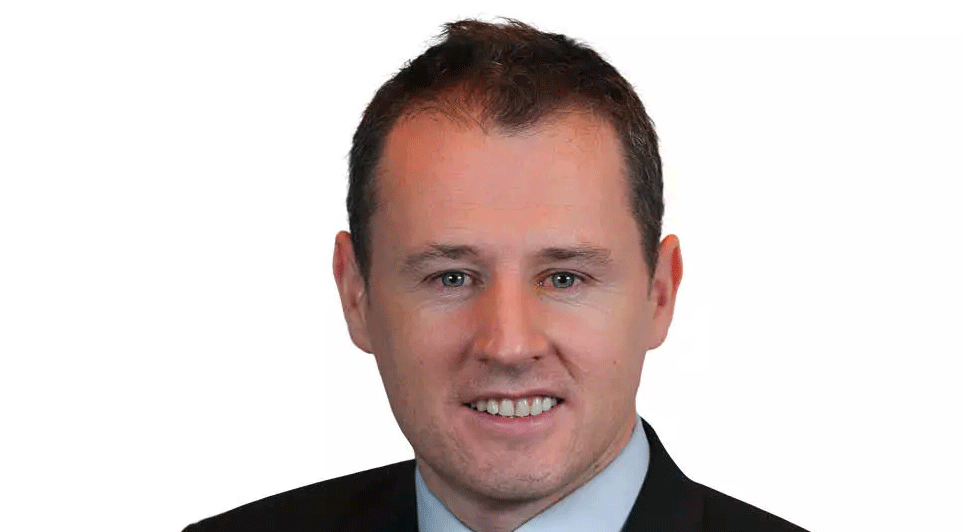
The party's spokesperson for the Environment and Climate, Darren O'Rourke TD and Senator Lynn Boylan are asking for transparency in the energy sector.
Network costs will rise by 12 per cent from this month (October), which means domestic energy bills will rise by €48. These increases are only offset by the Large Energy User rebalancing error.
Mr O’Rourke said Sinn Fein has offered solutions to the problems in Ireland's energy market and that it is time the government and the regulator "started to listen".
In a statement, Mr O'Rourke said: "In a decision announced by the Commission for the Regulation of Utilities, network charges are set to increase by 12% from October 1st 2023 to October 1st 2024. Network charges are paid by energy suppliers to ESB and Eirgrid to maintain the grid and to facilitate more renewables on the system in the delivery of the climate action plan. They passed onto final customers via the standing charge and made up about a fifth of bills before this increase was announced.
"While I absolutely support investment in our grid and the roll out of renewables, this is a burden that should not be disproportionately placed on the shoulders of ordinary workers, families and hard-pressed businesses.

"Significantly, it is the sole remit of suppliers to determine the standing charge they apply to customers. Shockingly, the Commission for the Regulation of Utilities (CRU) has no power to regulate them. This means they can set standing charges at rates whereby network charge increases have absolutely zero impact on their bottom line. In order words, they are free to pass the whole lot onto consumers.
"This dearth of regulation is unacceptable in the context of huge energy supplier profits juxtaposed against sky-high energy bills and what already are staggeringly high standing charges.
"For example, in Ireland the average standing charge is €300 – That is €300 before you even turn on a light.
"As well as having some of the highest electricity prices in Europe, Ireland’s network charges are 42% higher than the EU average. Importantly, this cannot be explained by fuel prices. Therefore the CRU and the government must urgently conduct an audit of the drivers of network costs in Ireland compared with other EU countries. Otherwise, Ireland’s electricity prices will remain high.
"Sinn Féin is also calling on them to urgently adopt our legislation to give the CRU power to regulate standing charges. We have also produced legislation to give the CRU the powers to address hedging practices and possible instances of anti-competitive behaviour, and finally to address energy affordability in their policy direction. This would bring much needed transparency and accountability to Ireland’s energy markets."
Senator Boylan said the lack of transparency is what caused the chaos in Ireland's energy market. She stated that Sinn Féin will be writing to the Oireachtas Climate Committee asking the ESB and the CRU to explain "how this was allowed to happen and how it won’t be repeated in the future".
In a statement, Senator Boylan said:
"The €48 increase in network charges is being offset by the refund of the Large Energy Users subvention so each household will see a €6 decrease.
"For twelve years, the government instructed the ESB to charge households extra fees to pay down the bills of Large Energy Users – data centres, pharmaceutical companies, and other industrial plants. In the process, the ESB overcharged households by over €100m and now they are being instructed by the CRU to pay households back.
"Unfortunately, the refund is being concealed in other components of the bill instead of being shown directly.
"Electricity users have the right to know the exact amount they are owed and the reason behind any refund. Hiding refunds within other charges can create confusion and mistrust among customers, which is counterproductive."