Ireland
 UK
 Scotland
 London


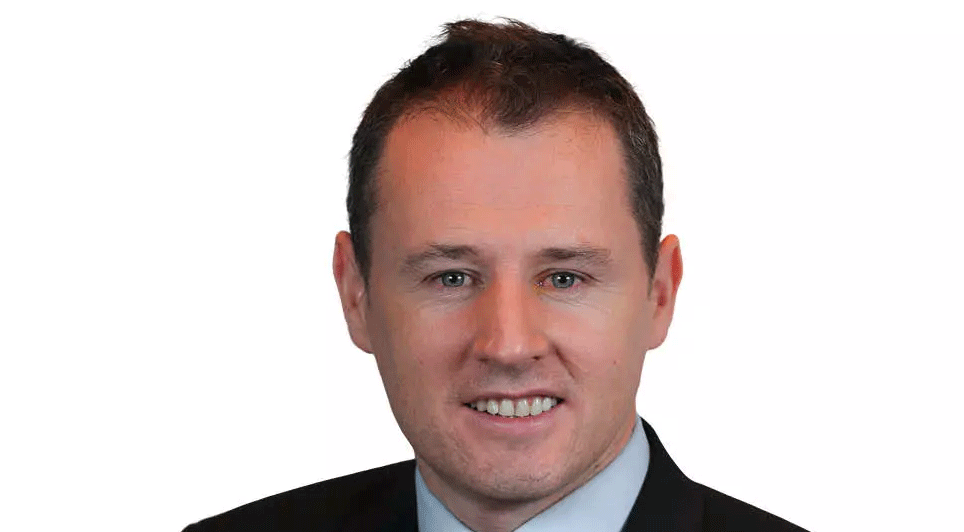
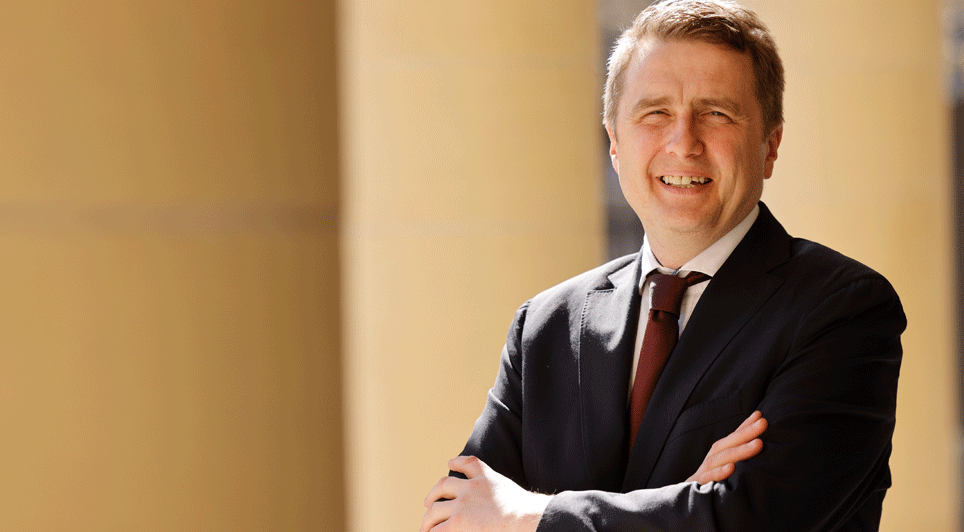
The Government has announced that the Minister for the Environment, Climate and Communications, Eamon Ryan, will co-chair the 2024 International Energy Agency (IEA) Ministerial this week.
This is the first time that Ireland will co-chair the event and Minister Ryan will do so alongside his French counterpart. The event brings together energy and climate ministers representing more than 40 governments from around the world.
Minister Ryan said:
"This is the peace project of our time and we have to make sure every part of the globe is supported, not just the wealthy. By doing this, we can help alleviate poverty, we can reduce conflict and help manage forced migration, as well as addressing the climate crisis."
This year also marks the IEA's 50th anniversary and is the first major multi-lateral event to take place following COP28 in Dubai last year.

A priority focus at the Ministerial will be on how the world can transition away from fossil fuels, as agreed at COP28 in Dubai.
Ministers are expected to agree that pursuing new long-term oil and gas reserves contradicts efforts to limit global warming to 1.5°C. The IEA estimates that to shift to cleaner energy, USD$4.5 trillion annually by 2030 is needed, with at least USD$2.2 trillion allocated to developing and emerging markets.
Minister Ryan said that the 2024 IEA Ministerial is a critical stepping-stone in the series of international meetings that will determine how the world can set higher climate ambitions for each country and provide the financing they need to make the transition. He referred to the important role of Brazil, which holds the presidency of the G20 in 2024 and which will host COP30 in 2025. This will be the location where we will have to combine that greater ambition with strong financial mechanisms, he said.
The Paris conference will wrap up with the release of a jointly approved 'communiqué,' serving as the pivotal document for the IEA Ministerial. This communiqué will outline new mandates for the IEA until 2026, encompassing the strategies adopted by the agency to steer their renewable energy-oriented initiatives for the upcoming two years.
The IEA was established during the energy crisis of the 1970s and this year's meeting also comes at a time of global uncertainty in energy markets, with Russia’s invasion of Ukraine and the conflict in Gaza highlighting vulnerabilities to the energy system and underscoring the need for a transition to renewable energy and greater energy security.