Ireland
 UK
 Scotland
 London


Uisce Éireann has welcomed the latest Drinking Water Report from the Environmental Protection Agency (EPA), which confirms that public drinking water supplies across Ireland continue to meet exceptionally high standards, with over 99.8% compliance with microbiological and chemical benchmarks.
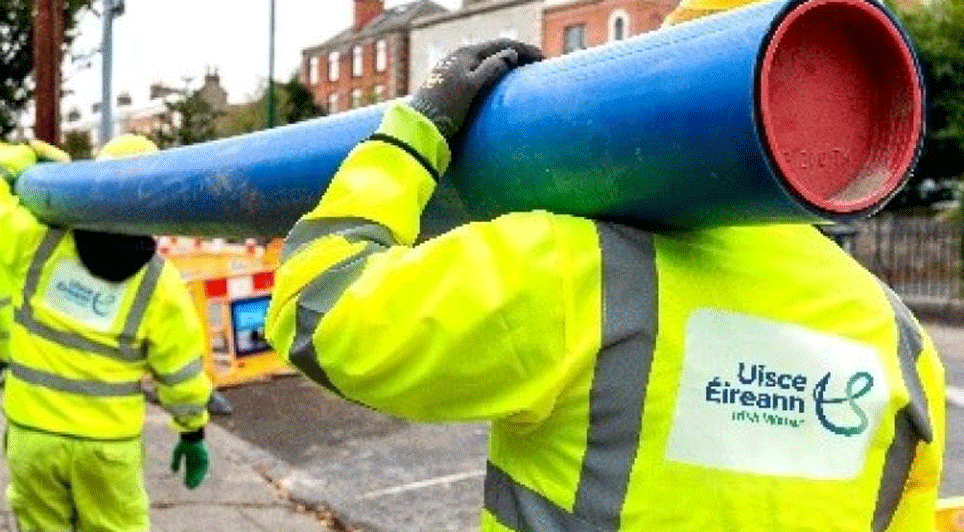
The report highlights ongoing investment and operational improvements that have significantly strengthened the resilience and safety of the national water network. In 2024 alone, Uisce Éireann invested over €1.3 billion in upgrading water and wastewater treatment plants and infrastructure.
Dr Patrick O'Sullivan, Drinking Water Compliance Senior Manager at Uisce Éireann, said: "We operate over 700 water treatment plants and are committed to delivering transformative water services that enable communities to thrive. The EPA’s report recognises our progress in monitoring, testing, and safeguarding water quality. Where risks are identified, we act swiftly — issuing temporary Boil Water Notices or Do Not Consume Notices to protect public health.

"While improved incident detection and escalation protocols — highlighted by the EPA as a positive development — may result in the earlier activation of BWNs, the sharp decline in both the number and population affected in 2024 demonstrates real progress in infrastructure resilience and risk management across the public water supply network."
According to the EPA report, the number of Boil Water Notices (BWNs) issued in 2024 was approximately half that of the previous year. In total, 37 notices were lifted, restoring safe drinking water to nearly 92,000 people. By the end of 2024, only five long-term notices remained in effect, and more than 72% of BWNs imposed during the year were resolved within 30 days.
Progress was also made in addressing water supplies on the EPA’s Remedial Action List (RAL). Works were completed at 14 sites, bringing the total number of supplies on the list down to 45.
Among the major infrastructure upgrades were projects in Clara/Ferbane, Nenagh, and Thurles. Further improvements were made at the Saggart reservoir in North County Dublin and Windmill Hill in Meath, enhancing security of supply. The National Disinfection Programme also advanced, with 27 additional sites upgraded in 2024, bringing the total to 405.
Uisce Éireann said the results underscore the impact of sustained national investment and improved oversight, both of which continue to safeguard Ireland’s drinking water supply into the future.