Ireland
 UK
UK Scotland
 London

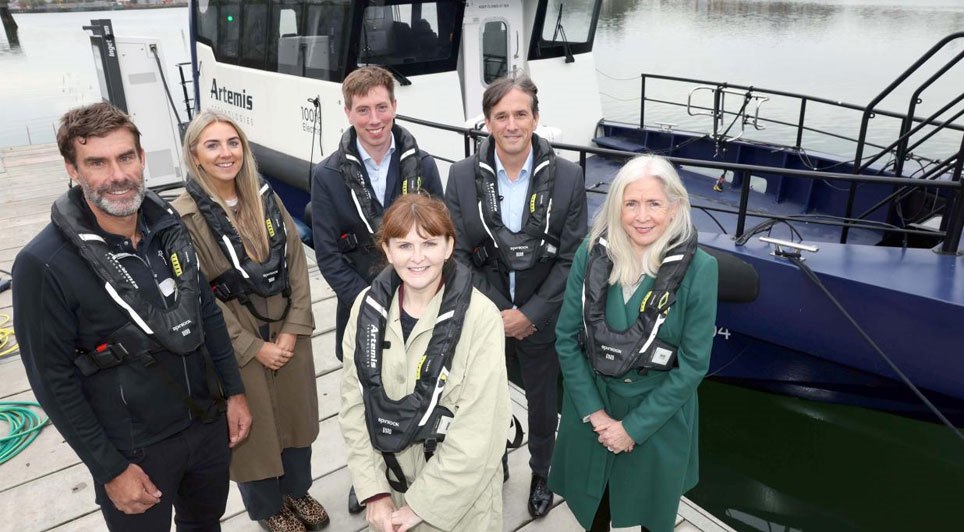
Belfast Harbour has launched an eight-week public consultation on its 2025–50 Draft Masterplan, setting out proposals to expand and reconfigure the port and Harbour Estate over the next 25 years to help underpin Northern Ireland’s economic growth.
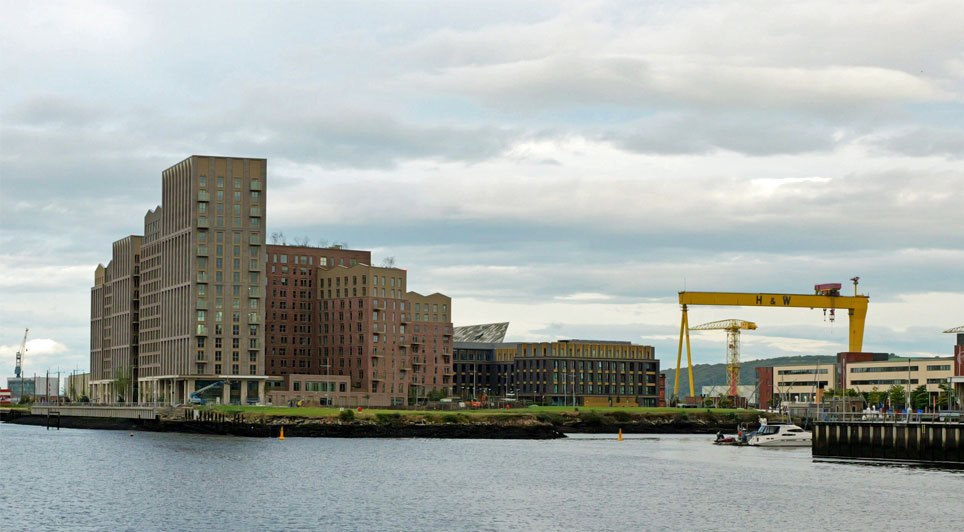
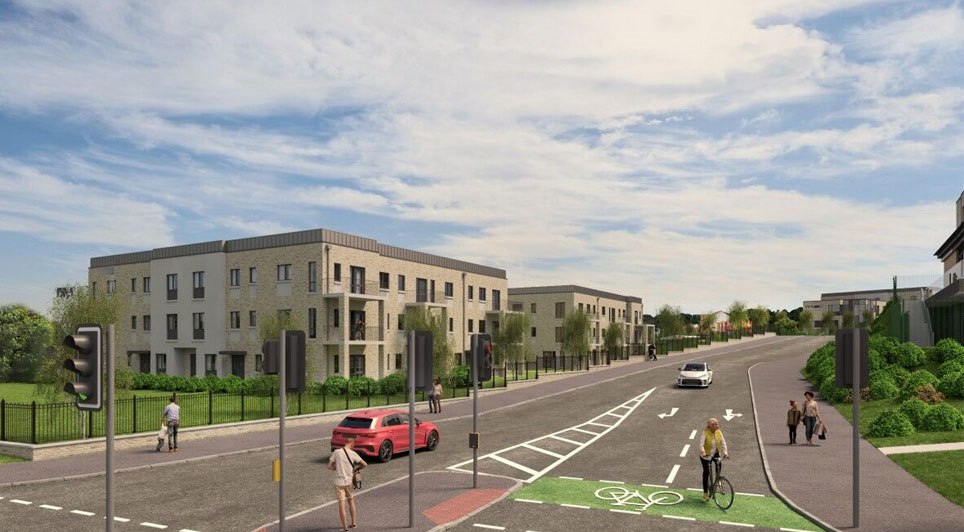
Covering 2,000 acres of land and 1,000 acres of water, the Draft Masterplan outlines how the port intends to strengthen trade, tourism, clean growth and innovation, while creating new places to live, work, visit and invest. The roadmap proposes Belfast's first land reclamation scheme in a quarter of a century to deliver a new freight terminal, a first rollout of shore power for ships at berth, upgrades to accommodate larger cargo vessels, regeneration that enables new residential neighbourhoods and the creation of a clean energy hub.
Following 18 months of independent engagement with port users, estate tenants and statutory bodies, the Harbour is inviting views from the public from mid-November to mid-January. Details, including four temporary drop-in exhibitions across the city and a display at Belfast Harbour Offices, are available at www.belfast-harbour.co.uk/masterplan.
The plan is underpinned by independent projections from global ports and logistics specialist Haskoning, which indicate trade volumes could rise from today’s 24 million tonnes to between 32 million and 40 million tonnes by 2050, potentially pushing the port to its operating limits and requiring extra capacity.

Separate analysis by Deloitte on property and land suggests sustained demand for housing and commercial space, reinforcing the Harbour's role as a catalyst for city regeneration through to 2050.
Research by Ulster University shows the port handles goods and freight worth £26.7 billion annually, enabling more than 15% of Northern Ireland's total economic output – around £8.8 billion in GVA each year through trade. Belfast Harbour manages 70% of NI’s seaborne trade and a quarter of the island of Ireland's seaborne trade.
As a Trust Port, Belfast Harbour reinvests all post-tax profits in the port and Harbour Estate. However, its borrowing is currently constrained because NI Trust Ports are classified as public corporations for accounting purposes, meaning any commercial borrowing impacts the Department for Infrastructure’s budget. The Harbour’s Horizon 2 and Horizon 3 ambitions are contingent on reclassification to align with Scottish Trust ports and allow prudent borrowing for major projects. The NI Executive is supportive of change and the Harbour is hopeful that the Assembly will legislate to enable a solution.
The Draft Masterplan is structured across three time horizons to ensure growth aligns with demand, technology, policy and community needs.
Horizon 1 (2025–2029) reflects the Harbour's current five-year strategy, Advance Regional Prosperity. With some schemes already scoped and funded – including a new £90 million dual-purpose deepwater terminal – this phase will reinforce core operations and add capacity.
Horizon 2 (2030–2040) signals step-change investment to upgrade infrastructure, maximise existing capacity, deploy innovative technologies, enable clean energy and open more waterfront for regeneration and community benefit. Proposed projects include: the redevelopment of Stormont Wharf; extending and deepening Victoria Terminal 3 to accommodate the new “Irish Max” class; expanded logistics warehousing; rolling out shore power at key berths; regeneration at Albert Quay and Clarendon Wharf to deliver new homes, workplaces and public realm; and an enlarged Belfast Harbour Marina to support leisure and tourism.
Horizon 3 (2040–2050) sets out long-term transformation to grow capacity through reclaimed land, new technologies, future fuels and new places. Proposals include a new container/trailer freight terminal at the end of West Bank Road via land reclamation north of Victoria Terminal 4 – Belfast Harbour’s first reclamation scheme in 25 years; extending existing waterside neighbourhoods into land no longer needed for port activity, providing more homes and workplaces with active ground floors, new streets and public spaces; and establishing a Clean Energy Hub to support new fuels and reduce hydrocarbon land use.
Members of the public can learn more and share views on how Belfast Harbour should evolve over the next quarter century at www.belfast-harbour.co.uk/masterplan during the consultation period.