Ireland
 UK
UK Scotland
 London

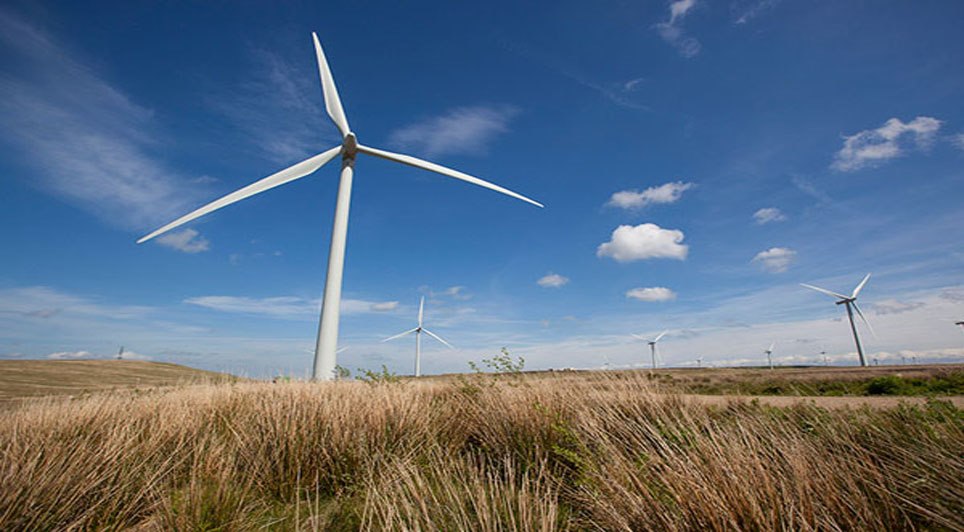
Five new wind energy projects were granted planning permission in the second quarter of 2026 — the strongest quarter since Q1 2025 — while one project was refused.
Together, the approvals amount to 311 MW of capacity, enough to power just over 180,000 homes annually. The outcome marks a clear improvement on Q1, when no wind farms were approved. Wind Energy Ireland (WEI) also published its July generation data alongside the new planning report.
Welcoming the decisions, Justin Moran, Director of External Affairs with Wind Energy Ireland, said: "The increase in planning approvals during the second quarter is welcome and badly needed.
"Each of these new wind farms will strengthen our energy security and supply clean, affordable power to Irish homes and businesses. After a slow start to the year, this positive momentum must be maintained."
Despite the uptick in approvals, WEI flagged a rapidly growing backlog at An Coimisiún Pleanála. A total of 48 projects — representing 2,668 MW of potential renewable capacity — are awaiting a decision, up from 31 projects (1,643 MW) in Q2 2025 and 28 projects (1,683 MW) in Q2 2024. More than 1,000 MW across 18 projects has been in the system for over a year, including 277 MW (five projects) pending for more than two years. Overall, the number of projects awaiting a decision has risen by about 70 per cent since the same period in 2024.

Justin Moran continued: "Projects are applying for planning permission faster than An Coimisiún Pleanála is able to make a decision.
"Every project waiting for a decision is an opportunity to reduce our reliance on imported fossil fuels, provide more affordable electricity and support jobs and investment in communities across Ireland.
"We need the positive momentum seen during the second quarter to accelerate so that the backlog can be reduced and projects can move more quickly from planning into construction. That will require continued investment in planning capacity across State agencies to ensure projects can be robustly assessed and the right decisions made."
The Q2 Planning Report follows a robust month for generation. In July, wind farms on the island of Ireland produced 763 GWh of electricity, meeting 23 per cent of national demand. In a standout month that also featured an All-Ireland Senior Ladies' Football Championship victory, Galway topped the county league table with 69 GWh, closely followed by Offaly (67 GWh), Kerry (57 GWh), Mayo (55 GWh) and Donegal (54 GWh).
Consumers, however, faced higher costs. Heavier reliance on gas pushed the average wholesale electricity price in July up by €20 from June to €155.54 per megawatt-hour — the highest monthly figure so far in 2026. When wind generation peaked, average wholesale prices fell to €125.43/MWh, 38 per cent below the €202.97 recorded on days when Ireland leaned more heavily on imported fossil fuels.
Justin Moran concluded: "July's generation figures are a reminder of the important role wind farms play in powering homes, businesses and communities across Ireland.
"Counties like Galway are making a significant contribution to our electricity supply, but to build on this progress we need renewable energy projects moving faster through the planning system.
"Every project that secures planning permission brings us closer to a cleaner, more secure and more affordable energy system for Ireland."
Looking ahead, a first planning decision for one of Ireland's Phase One offshore wind projects is expected in the third quarter of 2026, a significant milestone for the sector.
Justin Moran added: "The first planning decision for a Phase One offshore wind project will be a landmark moment for Ireland's energy transition."
"Ireland has an enormous offshore wind resource and unlocking its potential will be critical to making our county energy secure. Developing these projects will help protect consumers from volatile international fossil fuel prices, support economic growth and drive significant investment in our ports, coastal communities and electricity grid."