Ireland
 UK
 Scotland
 London


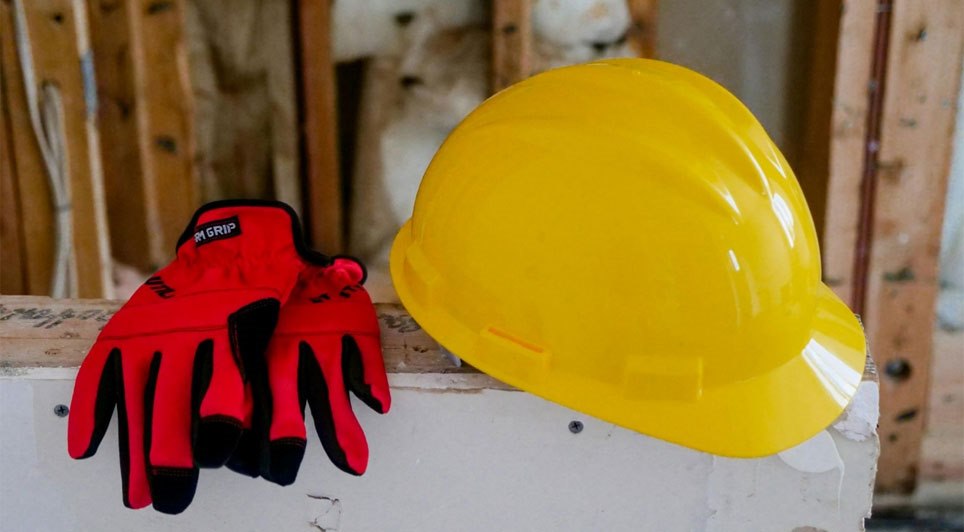
Engineers and engineering technicians contribute €12.65 billion to the island's economy, yet Ireland is on course for an annual shortfall of up to 6,000 qualified people by 2030, according to new independent research commissioned by Engineers Ireland.
The study, The Value of Engineers to the Irish Economy by KHSK Economic Consultants, finds that if demand for engineering roles continues to rise at the pace seen over the past decade, the island of Ireland could face an annual deficit of up to 6,000 engineers and engineering technicians through 2030. Even under a more moderate scenario, a yearly shortfall of 1,000–2,000 qualified personnel is projected.
The research underscores mounting pressures across the labour market. About 6,000 people currently join the engineering workforce on the island each year, with numbers bolstered by employment permits issued to international candidates. Shortages are already evident: more than three-quarters of engineers surveyed said their organisations expect to recruit in 2026, while fewer than 2% of respondents were seeking new roles.
The findings raise serious concerns about Ireland's capacity to deliver critical housing, transport and energy infrastructure to meet the needs of a growing population and economy.
Speaking about the critical skills shortages, Damien Owens, Director General of Engineers Ireland, said: "Ireland has ambitious plans to deliver homes and transform its infrastructure, but those ambitions depend on having enough engineers and engineering technicians to turn plans into reality.

"We are already seeing a significant demand for engineering skills, and the research shows that this gap could widen substantially over the coming years. This is at a time when Ireland aims to complete record numbers of new homes, while simultaneously building major infrastructure such as MetroLink, the Greater Dublin Drainage Scheme, the Shannon to Dublin Water Supply Project, and significant electricity grid upgrades, to name but a few of the large-scale projects for which engineers will be required.
"If we do not act now to increase the supply of engineering talent, we risk constraining the delivery of housing and major infrastructure at precisely the time when Ireland needs to accelerate it.
"Outside of construction, engineers are essential to Ireland's wider economy, supporting significant industries such as pharmaceuticals, semiconductors, computer technology and software, and medical devices.
"Investment in engineering skills is central to Ireland's ability to deliver infrastructure, sustain economic growth, and remain competitive."
The report estimates that around 98,000 people were working as engineers or engineering technicians across the island at the end of 2025—more than 72,000 in the Republic of Ireland and just over 25,000 in Northern Ireland. Their direct value-added contribution to the economy is projected to reach almost €9.5 billion in 2026, including more than €7 billion in the Republic and €2.4 billion in Northern Ireland.
When their contribution to company profits and an estimated €2.25 billion in payroll taxes is included, the engineering workforce's total economic contribution rises to €12.65 billion. The direct contribution equates to approximately 2.4% of modified gross national income in the Republic.
The study also highlights persistent gender disparities. Women account for only about 15% of engineers and engineering technicians. Among survey respondents, the median salary for men was €79,000 compared with €61,000 for women—a gap of almost 30%. Differences in age and experience explain only part of this gap; women are also under-represented at senior management and director level.
To address the shortages and promote greater inclusion, Engineers Ireland's recent pre-Budget submission calls for:
- A national campaign to promote engineering courses at third level and highlight engineering careers, particularly to women and girls;
- Additional places on accredited third-level engineering programmes;
- Expanded apprenticeship opportunities in engineering; and
- Inclusion of the fifth year of integrated engineering master's degrees within the Free Fees Initiative.
Engineers Ireland said targeted interventions across education, apprenticeships and international recruitment are needed now to safeguard the delivery of priority housing and infrastructure schemes and support Ireland's wider industrial base in pharmaceuticals, semiconductors, computing and medical devices.