Ireland
 UK
 Scotland
 London


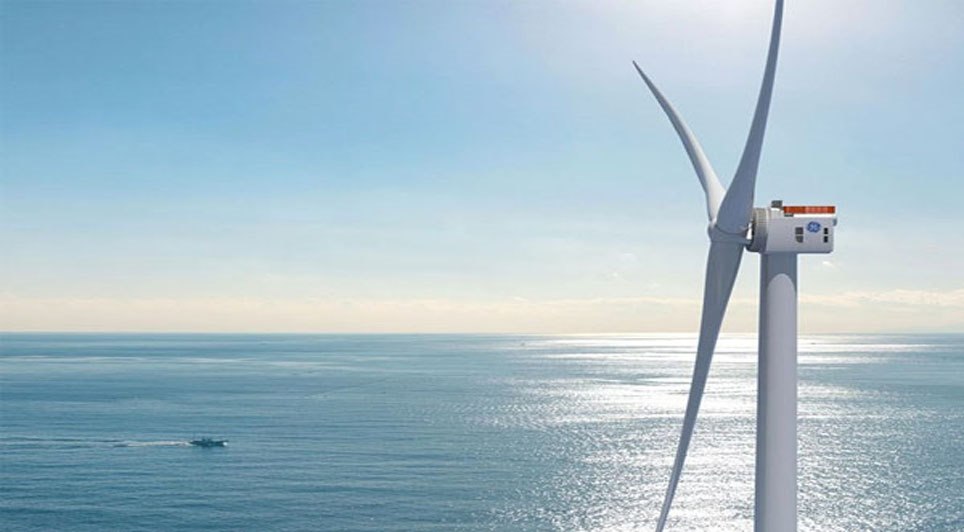
The Department for the Economy has published its 'Electricity Consumption and Renewable Generation in Northern Ireland: Year ending June 2026' statistics, which support monitoring of the Energy Strategy 'Path to Net Zero Energy' and the Climate Change Act target to "ensure that at least 80% of electricity consumption is from renewable sources by 2030."
Following data development work, measurement and reporting now use the Gross Final Electricity Consumption (GFEC) approach. GFEC is defined as generation plus imports minus exports, and is equivalent to total electricity demand. This is the third quarterly publication on the new basis, after the first release in March 2026, with historic trend data provided back to 2018.

From July 2025 to June 2026, renewable generation totalled 4,431 GWh, equating to 50% of GFEC (8,865 GWh). That share is up from 44% in the year to June 2025 and matches the previous record high seen in late 2022/early 2023 (50%).
Overall electricity demand (GFEC) has declined gradually over time, falling from 9,569 GWh in the year to December 2018 to 8,865 GWh in the year to June 2026.
Total electricity generation over the period was 8,286 GWh, comprising 4,431 GWh from renewable sources (53%) and 3,855 GWh from non-renewable sources (47%). On a rolling 12-month basis, renewable generation has exceeded non-renewable generation since January 2026, reversing the pattern seen across the rest of the series back to 2018.
Within renewable output, wind accounted for the majority at 74%, followed by bioenergy (18%), solar (6%), landfill gas (1%) and hydro/tidal (1%).
Cross-border and interconnector flows vary over time. Northern Ireland recorded net imports of 578 GWh in the year to June 2026, compared with net imports of 172 GWh in the year to June 2025.
The full publication is available at: www.economy-ni.gov.uk/articles/electricity-consumption-and-renewable-generation-statistics