Ireland
 UK
UK Scotland
 London

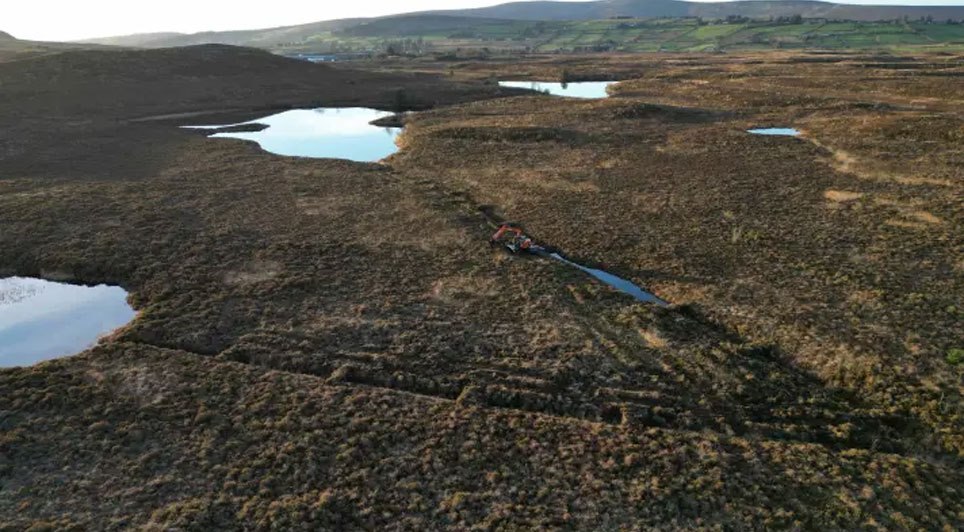
As autumn brings heavier downpours, NI Water's Sustainable Catchment Management Programme (SCaMP) is emphasising the role of healthy upland catchments in managing water and lowering flood risk.
SCaMP works to safeguard and enhance land around key drinking water sources, including reservoirs and rivers. Measures such as peatland restoration, tree planting, fencing, drain blocking and improved land management aim to raise raw water quality while also providing broader environmental benefits.
A major advantage of restoring natural catchments is their capacity to retain water for longer. When in good condition, peatlands and resilient soils act like a sponge, absorbing rainfall and releasing it more slowly into streams and rivers. This helps to reduce the speed and volume of run-off after intense rainfall, supporting a more sustainable approach to water management in the landscape.

An NI Water spokesperson said: "As we move into the wetter autumn and winter months, it is important to recognise that flood resilience is not just about hard infrastructure. The natural environment has a vital role to play too.
"Through SCaMP, NI Water is working with farmers, landowners and partner organisations to restore and protect the catchments that supply our drinking water. By improving the condition of these landscapes, we can help slow the flow of water after heavy rainfall, support biodiversity, store carbon and improve the quality of water entering our reservoirs and rivers."
SCaMP projects are designed to deliver multiple benefits for people, water and wildlife. Restored peatlands can store carbon, provide valuable habitats and make upland areas more resilient to climate change impacts.
An NI Water spokesperson added: "We are already seeing growing recognition of the role that nature-based solutions can play in addressing environmental challenges. While they are not a standalone answer to flooding, healthy catchments are an important part of the wider picture and can help build long-term resilience."