Ireland
 UK
 Scotland
 London


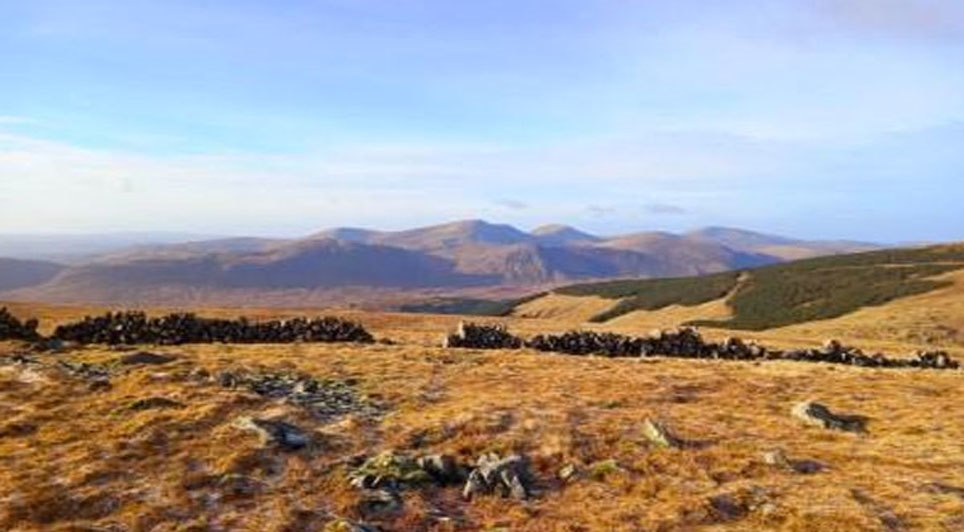
The Office of Public Works (OPW) has unveiled the Hill of Tara Local Biodiversity Action Plan alongside new OPW Grassland Management Guidance at the Hill of Tara, Co. Meath, on 29 October 2026.
Aimed primarily at OPW staff, the publications advance the organisation's efforts to enhance biodiversity across heritage properties while safeguarding the site's archaeological value for future generations.
Minister of State with responsibility for the OPW, Kevin "Boxer" Moran, said: "I am delighted to be here today to launch the two publications 'The Hill of Tara Local Biodiversity Action Plan' and the 'OPW Grassland Management Guidance'. The Hill of Tara is one of Irelands most iconic and unique heritage sites full of historical and ecological significance. These documents showcase OPW's commitment to enhancing biodiversity at OPW sites. They highlight practical steps requires to preserve our heritage sites while also protecting our natural heritage."
The Hill of Tara is among Ireland's most important archaeological landscapes, with traces of human activity dating back to around 3000 BC. It grew in significance during the Iron Age and Early Christian era as the seat of the High Kings of Ireland, later serving as a battleground during the 1798 Rebellion and as the venue for Daniel O'Connell's mass meeting in 1843. Today it attracts thousands of visitors annually, necessitating a careful balance between public access, natural habitat conservation and the protection of archaeological features.

The Hill of Tara Local Biodiversity Action Plan stems from an OPW-commissioned biodiversity audit in 2022 and ecological surveys carried out in 2023, supported by existing environmental data. Covering 28 hectares, it sets out practical measures to conserve and enhance biodiversity on the site.
Recommendations include retaining the natural character of the grasslands, phasing out intensive management, and reintroducing traditional hay meadow practices to promote species-rich swards and enable flexible path management. The plan also proposes targeted scrub cutting, continued conservation of protected species, the installation of bat boxes and improved hedgerow management strategies.
The OPW Grassland Management Guidance provides evidence-based advice for managing diverse grassland habitats across the estate, from formal amenity lawns and historic parklands to semi-natural meadows, floodplains and wet grasslands.
Aligned with the OPW Biodiversity Action Strategy 2022–2026, the guidance is designed to embed biodiversity-conscious practices into day-to-day operations, improve stewardship of protected sites and species, and support the restoration of Ireland's declining semi-natural grasslands. It details grassland types, management principles and tailored actions for grazing, mowing regimes, nutrient reduction and controlling invasive species.
Applying these approaches is expected to increase species richness, bolster ecosystem services, protect cultural landscapes and contribute to national biodiversity and climate objectives.