Ireland
 UK
 Scotland
 London


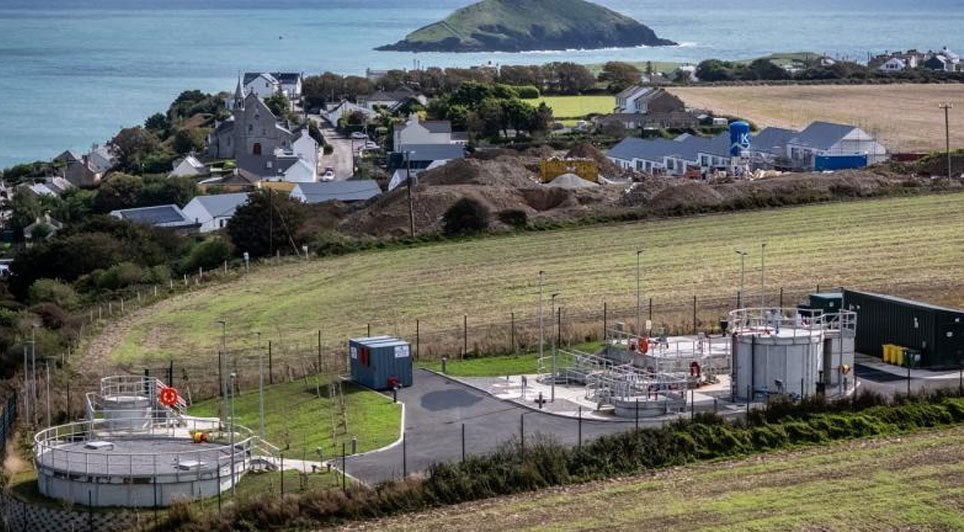
Uisce Éireann says continuing investment and expertise in wastewater treatment are delivering cleaner rivers, healthier beaches and coastlines, and better services for communities across Ireland.
The Environmental Protection Agency's latest Urban Wastewater Treatment report shows substantial progress in 2025, with 93% of wastewater treatment plants now meeting EU requirements.
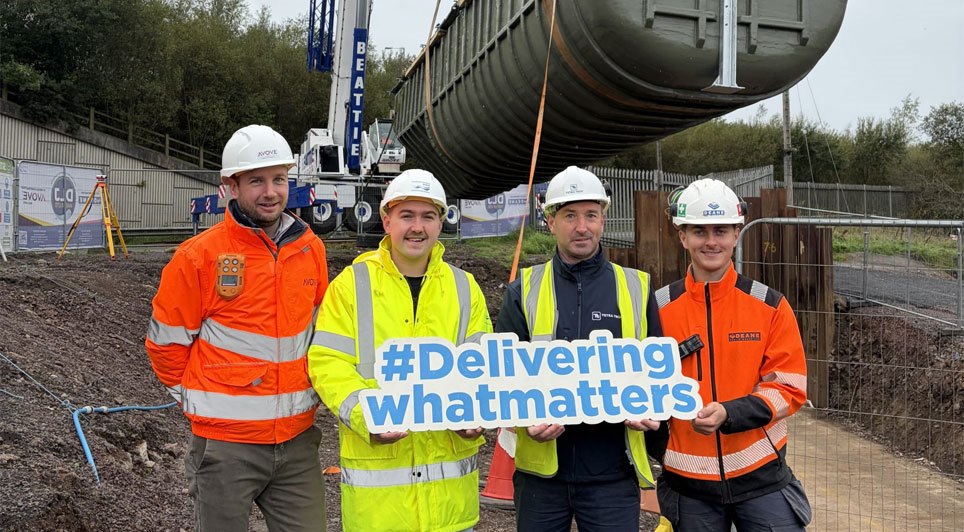
The utility has either delivered or has construction under way on new wastewater infrastructure in 41 towns and villages that previously discharged raw sewage. In 2025 alone, it invested €454m in wastewater services.
While these improvements are benefitting communities and the environment, Uisce Éireann says further work remains. The organisation is targeting investment where needs are greatest to deliver the improvements people expect and deserve.
Key milestones in 2025 included a €550m upgrade of the Ringsend Wastewater Treatment Plant, enabling development across the Greater Dublin Area and protecting water quality in Dublin Bay.
In the Midlands, the €114m Athlone Main Drainage Scheme was completed, ending decades of sewage overflows into the town and the River Shannon during heavy rainfall. In the south-west, the €21m upgrade of Macroom Wastewater Treatment Plant progressed.

Discharges of untreated sewage were also brought to an end at Rathmullen and Ramelton in Co Donegal, Ballycotton and Whitegate-Aghada in Co Cork, and Arklow in Co Wicklow.
Annual wastewater investment has risen from €333m in 2020 to €454.4m in 2025—an increase of more than €120m—bringing total spend since 2020 to more than €2.5bn to modernise services.
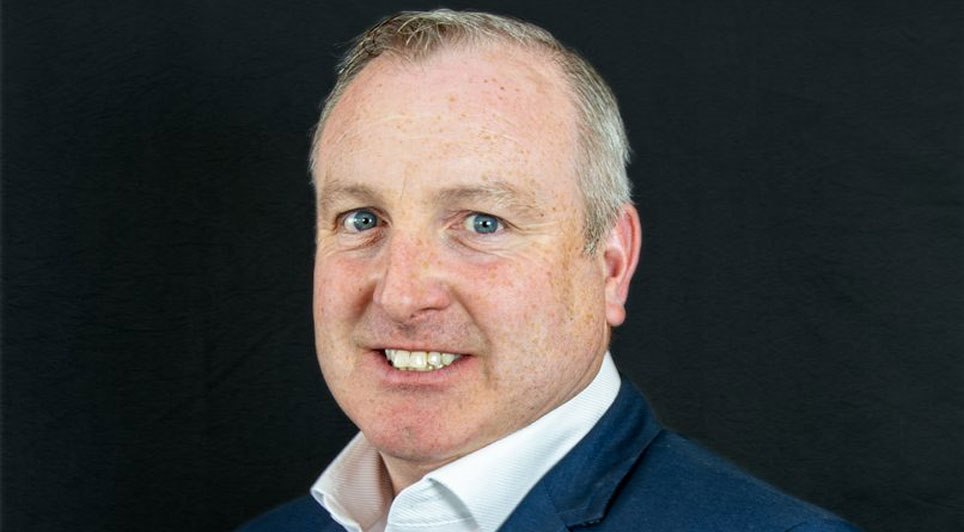
Niall Horgan, Wastewater Compliance Senior Manager, said the utility's work is driven by its impact on people's daily lives: "Our wastewater treatment plants and services are so important to people's quality of life and that's what drives our work every day.
"We have made significant progress in recent years, but we know there is more to do. We are continuing to invest in communities right across the country, modernising wastewater services, protecting local waterway and ensuring communities can grow and thrive while safeguarding the environment." said Niall Horgan.
He acknowledged the EPA's concerns about operational incidents, noting that many issues stem from the age and condition of parts of the system, some of which were not designed for today's demands. Tackling these challenges is a priority, though upgrades on this scale take time.
Ireland's wastewater network is extensive, comprising more than 1,000 treatment plants, 2,300 pumping stations and over 26,000 kilometres of pipes—much of it decades old and in need of investment and modernisation.
Alongside infrastructure projects, new organisational structures have been introduced to strengthen operational oversight, improve incident response and bolster long-term resilience.
Uisce Éireann also urged the public to help protect the network by disposing of materials correctly. "Unfortunately, one of the challenges we continue to face, and we saw a number of these incidents in 2025, is the disposal of inappropriate materials into our wastewater network. Simple actions at home and in businesses can make a real difference. Fats, oils, grease and other unsuitable materials can cause blockages and put additional pressure on the wastewater network. Disposing of these items correctly helps protect our infrastructure and allows us to focus our resources on maintaining and improving services for communities," explained Niall Horgan.